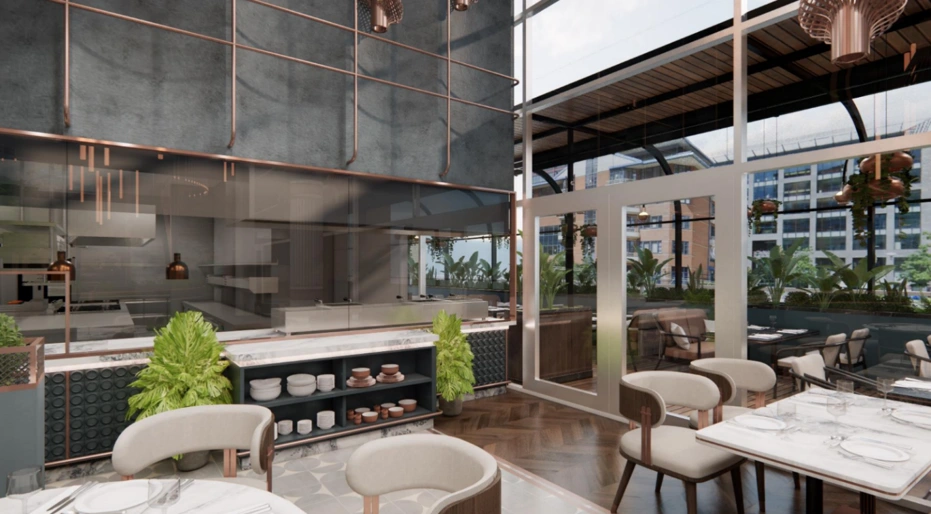
Opening a restaurant in Dubai is an exciting opportunity—but it is also a significant investment. Before the first mood board is created or a single piece of furniture is selected, successful restaurant projects begin with a clear understanding of the concept, site, customer and business objectives.
This is where an F&B interior design consultation becomes valuable. Rather than jumping straight into aesthetics, a professional consultation establishes the strategic direction for the entire project, helping restaurant owners make informed design decisions from the beginning.
Restaurant design is about far more than creating an attractive interior. The space needs to reflect the brand, support operations, accommodate customers and work within commercial realities.
An F&B interior design consultation brings these considerations together at the start. It allows designers and operators to discuss the restaurant concept, target audience, positioning, budget, site constraints and desired customer experience.
This early alignment creates a foundation for the design process and reduces the risk of expensive changes later.
An initial consultation typically involves a detailed discussion about the restaurant and its objectives. The design team may review the proposed site, floor plans, existing conditions, brand identity and operational requirements.
It is also an opportunity for the restaurant owner to explain the experience they want customers to have. Is the concept casual and energetic, intimate and sophisticated, or designed around a strong experiential theme?
The answers help establish a design direction before detailed work begins.
Every restaurant has a different commercial model, and the design needs to respond accordingly.
During an F&B design consultation, designers can assess factors such as the size and configuration of the site, expected customer volume, seating requirements, service model and back-of-house needs.
The conversation should also address business goals. A destination restaurant may prioritise visual impact and dwell time, while a fast-casual concept may focus heavily on customer turnover and operational efficiency.
Professional design consultation services can cover much more than visual styling. Depending on the project, the process may include concept analysis, space planning, customer journey mapping, operational planning, design strategy and initial material and aesthetic direction.
A specialist hospitality interior design company can also identify potential challenges early, helping owners understand what may be required before moving into detailed design and fit-out.
One of the biggest advantages of early design consultation is clarity.
When requirements are identified at the beginning, the design team can develop solutions that are appropriate for the available budget and programme. Issues such as insufficient storage, inefficient circulation or unrealistic seating expectations can be addressed before they become construction problems.
Good planning does not necessarily mean spending more. It often means spending more intelligently.
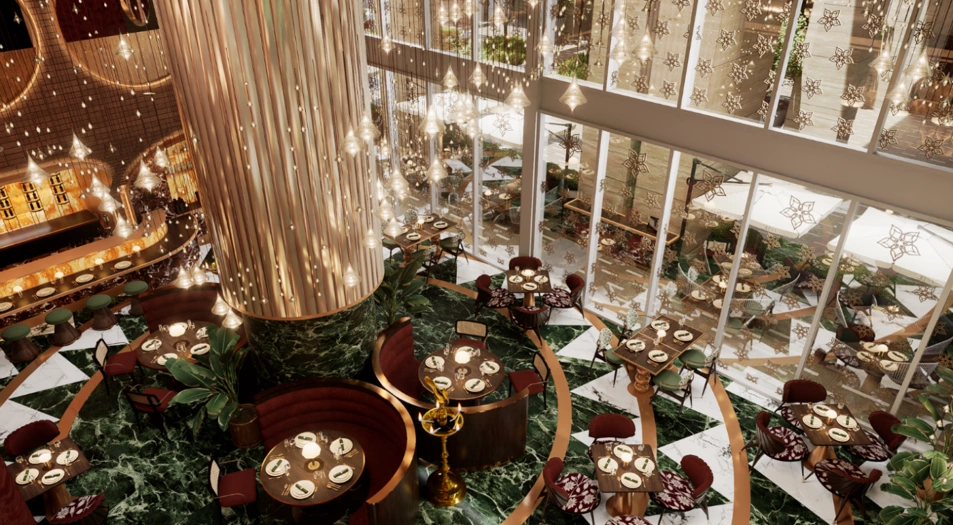
A restaurant may begin with a simple idea: a particular cuisine, atmosphere, story or target customer. The designer’s role is to translate that idea into a physical experience.
This can involve defining the design language, materials, colour palette, lighting approach, furniture direction and architectural features.
For a luxury F&B concept, the objective may be understated sophistication. For a contemporary casual restaurant, the design could focus on energy, accessibility and strong visual identity.
A successful restaurant needs to work behind the scenes as well as in front of the customer.
Customer movement, staff circulation, kitchen access, service routes, seating arrangements, waiting areas and washroom locations all influence the experience.
Early space planning helps ensure that the design supports efficient service while maintaining comfortable customer flow. These decisions can have a direct impact on operational performance once the restaurant opens.
Before detailed design begins, restaurant owners should have clarity around:
Answering these questions early creates a much stronger foundation for the design process.
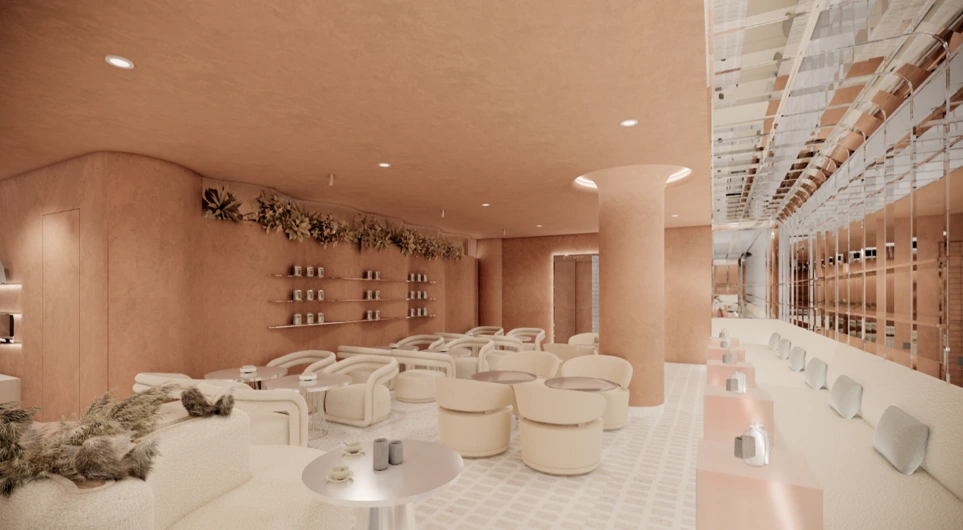
The designer typically reviews the restaurant concept, site, target audience, operational requirements, budget and objectives. The discussion then establishes a preliminary design direction and identifies key considerations for the project.
A specialist luxury F&B design company can provide concept development, space planning, interior architecture, material and furniture selection, lighting design, 3D visualisation and technical design, depending on the project’s scope.
Restaurant design costs vary depending on the size, complexity, scope of services, level of detailing and project requirements. An initial consultation can help establish the project’s requirements before a detailed proposal is prepared.
A hospitality specialist considers the complete guest experience alongside operational efficiency. It understands that circulation, seating, lighting, acoustics, service flow, branding and atmosphere all need to work together.
Look for relevant restaurant and hospitality experience, a strong portfolio, transparent scope of services and a design process that aligns with your objectives. The right partner should understand both your creative vision and your commercial goals.
The strongest restaurant interiors rarely happen by accident. They begin with strategy, planning and a clear understanding of what the business needs to achieve.
An F&B design consultation gives restaurant owners the opportunity to test ideas, identify challenges and establish a direction before committing to detailed design and fit-out. In Dubai’s highly competitive F&B market, that early clarity can make the difference between a space that simply looks good and one that genuinely works.
At RAW Design, we believe every successful restaurant begins with a strong idea—and the right design consultation is where that idea starts taking shape.


© All rights reserved Rawdesign.
Designed and developed by Tequila.ae


