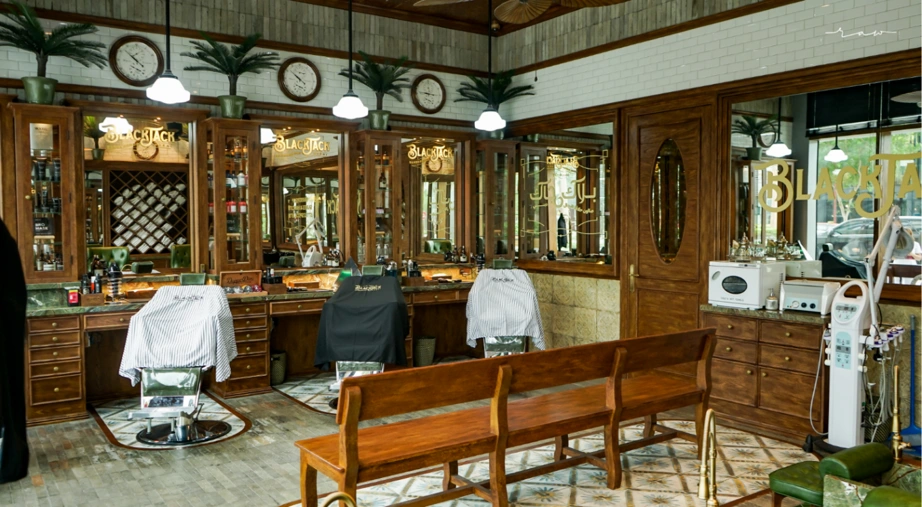
Dubai’s business landscape is built around growth, innovation and competition. Whether launching a new restaurant, expanding an office, developing a retail concept or creating a healthcare environment, businesses increasingly recognise that interior design is more than aesthetics. It can influence customer experience, employee productivity, brand perception and operational efficiency.
This is one reason many businesses choose established interior design firms in UAE rather than working with individual freelance designers. While freelancers can be a good fit for certain smaller projects, firms can offer broader expertise, structured processes and greater resources for complex commercial interiors.
The fundamental difference is structure and capacity. A freelancer typically operates independently and may personally manage creative development, client communication and project coordination.
An interior design firm usually has a team of designers, architects, visualisers and technical professionals working across different stages of a project. This allows multiple areas of expertise to be brought together under one roof.
For businesses, particularly those working on commercial or hospitality projects, this broader capability can provide greater continuity and support.
Commercial interiors often involve multiple stakeholders, deadlines, consultants and technical requirements. A structured design firm can coordinate these elements through defined processes and responsibilities.
Businesses also benefit from continuity. If a team member becomes unavailable, a firm can typically allocate another resource to maintain project progress.
For larger projects, this level of organisational support can be difficult for a single freelancer to replicate.
Freelancers can offer personal attention and flexibility, particularly for straightforward projects. However, established firms often provide a wider range of services.
These may include concept development, space planning, interior architecture, furniture and material selection, lighting design, 3D visualisation, technical documentation and project coordination.
For businesses looking for an end-to-end solution, the ability to access multiple disciplines through one design partner can simplify the process.
RAW Design works across commercial sectors including hospitality, F&B, retail, healthcare, offices and residential projects.
Its services can cover the design journey from initial concept and space planning through visualisation, material selection and technical development. The studio’s experience across different sectors also allows it to adapt its approach to different business objectives.
For commercial clients, the emphasis is on creating environments that balance brand identity, functionality, customer experience and operational requirements.
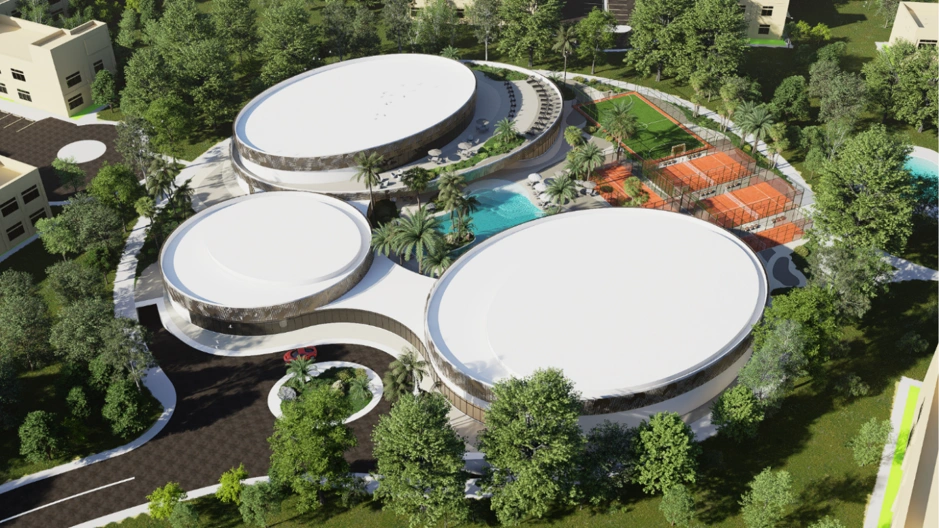
One of the strongest advantages of working with a firm is accountability. Commercial interior design projects can involve owners, contractors, consultants, suppliers and other stakeholders.
A professional design firm can act as a central point of coordination, helping ensure that design decisions remain aligned across the project.
This structured approach can also make communication clearer, particularly when a project involves multiple phases or locations.
Freelancers are not necessarily the wrong choice. They can be appropriate for smaller projects, simple refreshes, styling assignments or businesses that already have technical and project management resources.
Their smaller operating structure may also provide greater flexibility for certain budgets and timelines.
The key is matching the designer’s capacity to the project’s complexity.
At first glance, a freelancer may appear more cost-effective because of lower overheads. However, businesses should compare the complete scope of service rather than the design fee alone.
If a project requires additional consultants, technical drawings, visualisation, project coordination or specialist expertise, these may need to be sourced separately when working with an individual.
A firm may therefore offer greater value on complex projects because multiple capabilities are integrated into one service.
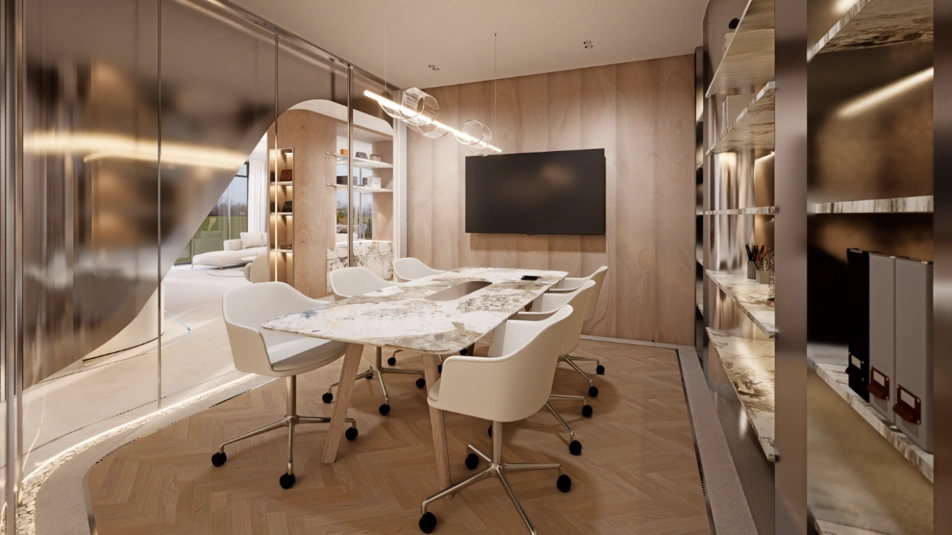
Before selecting a design partner, businesses should consider:
The goal is not simply to find the cheapest option, but the partner best equipped to deliver the desired outcome.
Firms can provide larger teams, specialist expertise, structured processes and broader project support. These advantages can be particularly valuable for complex commercial, hospitality and multi-stakeholder projects.
A strong creative firm combines original thinking with strategic planning, technical expertise and an understanding of the client’s business objectives. Creativity should ultimately serve the purpose of the space.
Review relevant portfolios, industry recognition, completed projects, client relationships and service capabilities. The leading firm for one project may not be the right choice for another, so sector experience matters.
The best interior design company in UAE is one that understands the client’s objectives, communicates effectively and can deliver a design that balances aesthetics, functionality and commercial requirements.
Start by identifying your project’s scope and sector. Then compare firms based on relevant experience, portfolio quality, process, team structure, technical capabilities and ability to work within your budget and timeline.
A studio is often smaller and more creatively focused, while a firm may have a larger multidisciplinary team and greater capacity for complex projects. However, the terminology varies, so businesses should evaluate actual capabilities rather than the label.
The choice between a freelancer and an established firm ultimately depends on the project’s scale, complexity and requirements. For a small styling project, an experienced freelancer may be perfectly suitable. For a major restaurant, office, retail destination or healthcare facility, the broader resources of an established firm can offer significant advantages.
With a multidisciplinary approach and experience across commercial sectors, RAW Design focuses on creating spaces where creative direction, functionality and business objectives come together. For businesses evaluating interior design firms in UAE, the right partner is ultimately the one that can turn the vision into a space that performs as well as it looks.


© All rights reserved Rawdesign.
Designed and developed by Tequila.ae


