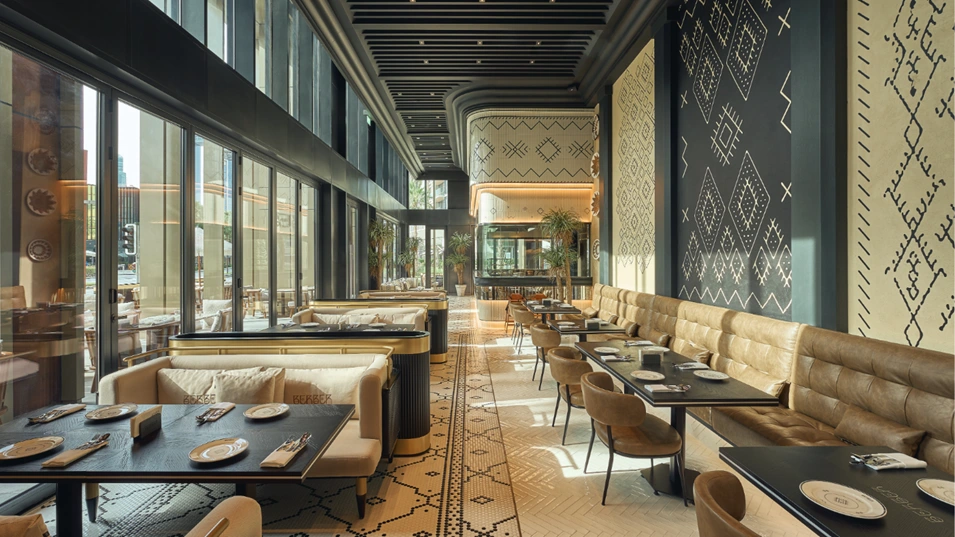
In Dubai’s highly competitive dining landscape, restaurants are no longer judged only by their food. The atmosphere, visual identity, and overall guest experience play a major role in attracting customers and encouraging repeat visits. This is where strategic restaurant interior design becomes a powerful business tool.
A well-designed restaurant creates emotional connections, improves customer experience, and influences how guests interact with the space. From luxury dining destinations to casual cafés, thoughtful design can transform a restaurant into a memorable brand experience.
With the growing demand for unique dining concepts, restaurant interior design Dubai has evolved into a combination of creativity, functionality, and business strategy.
A restaurant’s interior is often the first impression customers receive before they taste the food. A visually appealing space can attract attention, increase curiosity, and encourage people to step inside.
Effective restaurant interiors Dubai are designed around customer psychology. The right colors, materials, layouts, and atmosphere influence how guests feel and how long they stay.
A thoughtfully designed restaurant can encourage longer visits, higher spending, and stronger brand loyalty. Customers are more likely to share beautiful and unique spaces on social media, creating organic visibility for the brand. For restaurant owners, investing in professional restaurant interior design is not just about aesthetics — it directly contributes to business growth.
Successful restaurants combine multiple design elements to create a seamless experience.
Every restaurant has a story. Interior design should reflect the cuisine, concept, and personality of the brand. Materials, furniture, artwork, and colors should work together to communicate the restaurant’s identity.
A beautiful restaurant must also operate efficiently. The layout should support smooth movement for customers and staff while maximizing seating capacity.
Durable and visually appealing materials are essential for high-traffic environments. Premium finishes create a sense of quality while ensuring long-term performance.
Comfortable seating, thoughtful spacing, and welcoming details influence how customers perceive the restaurant.
In F&B interior design dubai, these elements are carefully balanced to create spaces that are both operationally efficient and visually impactful.
The way customers move through a restaurant directly impacts their experience. A well-planned layout creates a natural flow from entrance to seating, dining areas, and service zones.
A crowded or confusing layout can make guests uncomfortable, while a well-organized space encourages relaxation and longer stays.
Restaurant interior design focuses on creating different zones for different experiences — whether it is a lively social area, intimate dining corner, or private section for special occasions.
For cafés, the approach is slightly different. Cafe interior design Dubai often prioritizes flexibility, quick service, and comfortable spaces where customers can work, socialize, or relax.
A successful layout balances customer comfort, operational efficiency, and revenue potential.
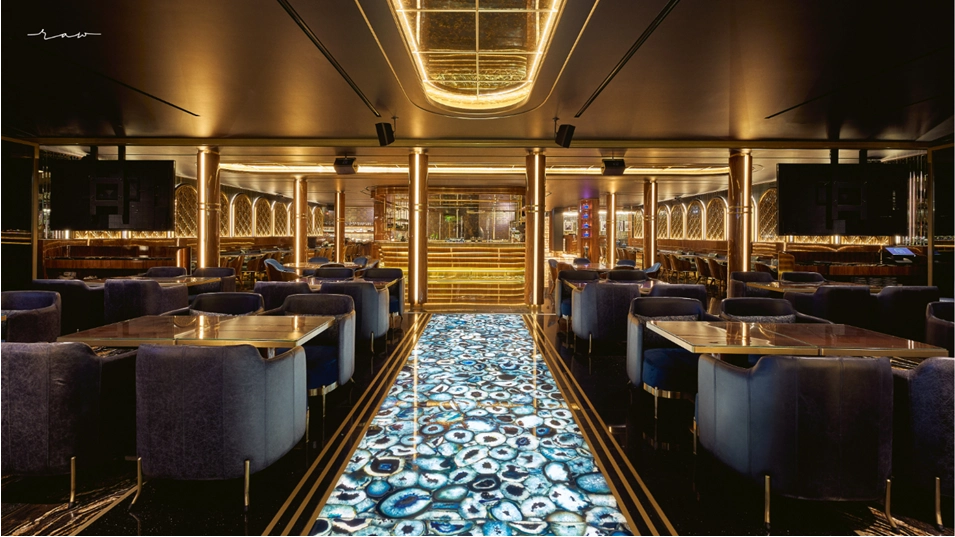
Lighting and acoustics are among the most powerful yet often underestimated elements of restaurant design.
Lighting sets the mood of the restaurant. Warm lighting creates intimacy, while brighter environments can create energy and openness. Accent lighting can highlight architectural features, artwork, or food displays.
Acoustics also play an important role. Excessive noise can negatively impact customer experience, while controlled sound levels create a more enjoyable environment.
In luxury restaurant interior design Dubai, designers carefully integrate lighting, sound, and materials to create an immersive atmosphere that enhances the dining experience.
These elements work silently in the background, influencing customer emotions and encouraging longer stays.
Dubai’s restaurant industry continues to embrace innovative design concepts that reflect global influences while maintaining local relevance.
Restaurants are becoming destinations where customers seek memorable experiences beyond food. Interactive elements, themed interiors, and immersive environments are gaining popularity.
Natural materials, greenery, and indoor-outdoor connections are increasingly used to create calming and refreshing spaces.
Adaptable layouts allow restaurants to host different experiences, from daytime dining to evening events.
Eco-friendly materials and energy-efficient solutions are becoming important considerations in modern restaurant projects. These trends are shaping the future of restaurant interiors Dubai, creating spaces that are unique, engaging, and customer-focused.
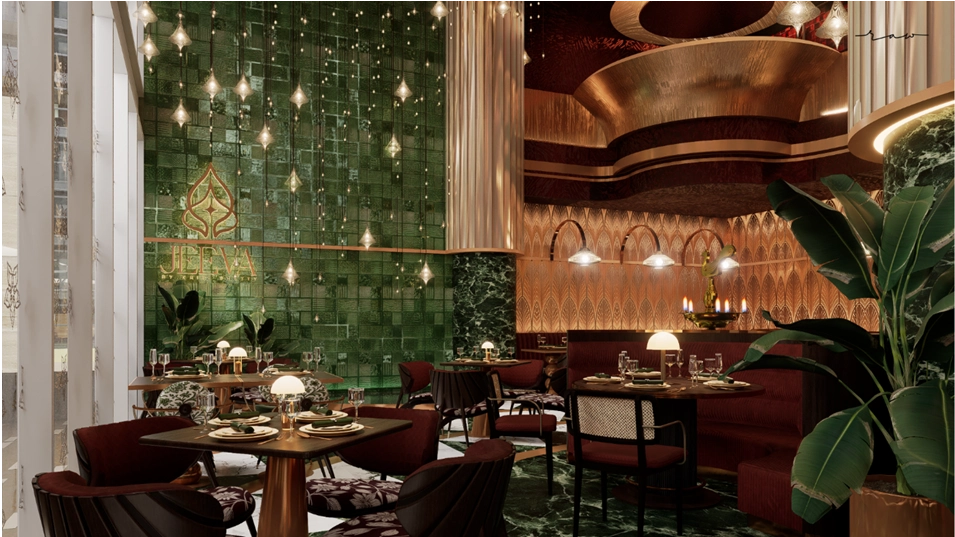
Restaurant interior design impacts customer experience, brand perception, and business performance by creating spaces that attract and retain guests.
Costs vary depending on the size, concept complexity, materials, and level of customization required.
A successful design combines aesthetics, functionality, brand identity, customer comfort, and efficient operations.
Yes. Even smaller restaurants and cafés can improve customer experience and maximize space through thoughtful design planning.
Choosing the right designer is critical for creating a successful dining environment. Look for a team with experience in hospitality projects, strong understanding of customer behavior, and expertise in managing technical requirements.
A professional designer should understand both creative vision and business goals. They should be able to translate a concept into a functional space while considering budget, timelines, approvals, and execution.
At RAW Design, our approach to restaurant interior design focuses on creating spaces that are not only visually compelling but also strategically designed to drive customer engagement and business success.
From concept development to detailed execution, we create distinctive dining environments that reflect brand identity and elevate the guest experience.
In Dubai’s competitive F&B market, great design is no longer optional — it is a business advantage. The right restaurant interior can attract attention, increase footfall, and turn first-time visitors into loyal customers.


© All rights reserved Rawdesign.
Designed and developed by Tequila.ae


