
In today’s world, luxury and sustainability are no longer mutually exclusive. Guests now expect more than comfort and aesthetics—they value environmentally conscious practices integrated seamlessly into hospitality interior design. For hotels, resorts, and restaurants, sustainability enhances guest experience, operational efficiency, and brand reputation. At RAW Design, we specialize in creating eco-friendly, luxurious hospitality spaces that resonate with the modern traveller while adhering to responsible design principles.
RAW Design’s approach to hospitality interior design begins with understanding the unique identity and operational needs of each space. As a leading hospitality design firm, our process integrates:
Our method ensures that every project, from restaurant interior design to full-scale hotel renovations, balances luxury, performance, and sustainability.
Sustainable commercial hospitality interiors go beyond aesthetics—they prioritize environmental impact, energy efficiency, and resource conservation. Key strategies include:
By integrating these elements, hospitality spaces maintain luxurious appeal while minimizing their environmental footprint.
Successful hospitality interiors combine function, aesthetics, and guest psychology. Common traits include:
RAW Design leverages these principles in all projects, ensuring every space is operationally sound, visually appealing, and environmentally responsible.
Luxury hospitality spans a variety of environments, each with distinct requirements:
In all cases, luxury is achieved not just through materials and décor but through holistic, sustainable design strategies
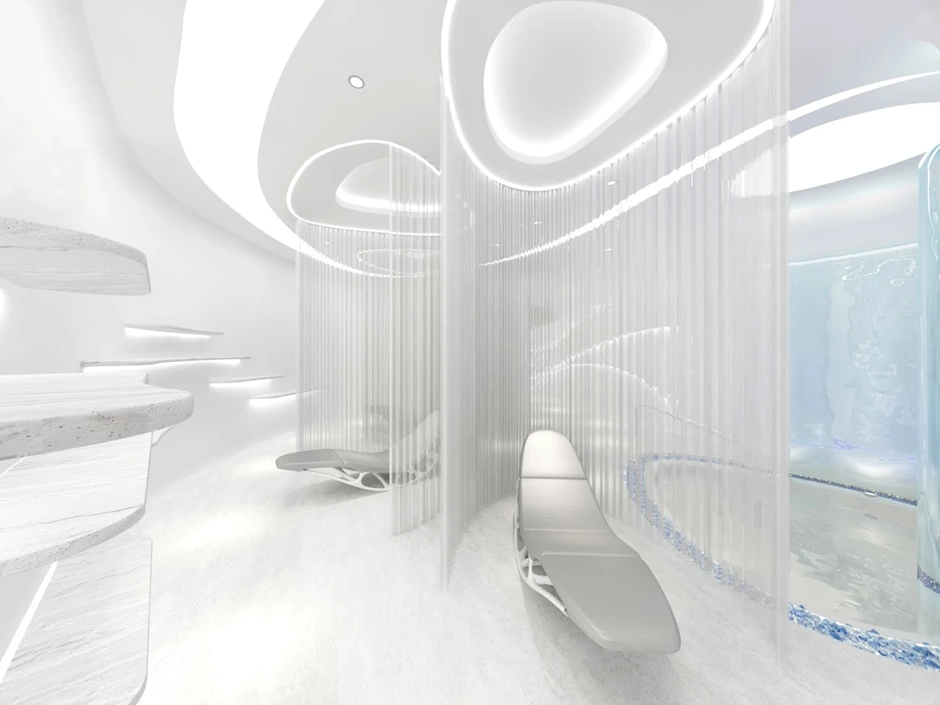
Execution is as important as concept. Professional implementation ensures that the vision of sustainable luxury becomes tangible. RAW Design’s team of professional hospitality designers coordinates:
This meticulous approach guarantees that every commercial hospitality interior achieves maximum impact, operational efficiency, and guest satisfaction.
While sustainability principles are universal, implementation must consider local context. In the UAE, climate, cultural preferences, and available materials influence hospitality interior design decisions. RAW Design brings global expertise to local contexts, balancing:
Our experience ensures that eco-luxury hospitality spaces are both environmentally responsible and culturally resonant.
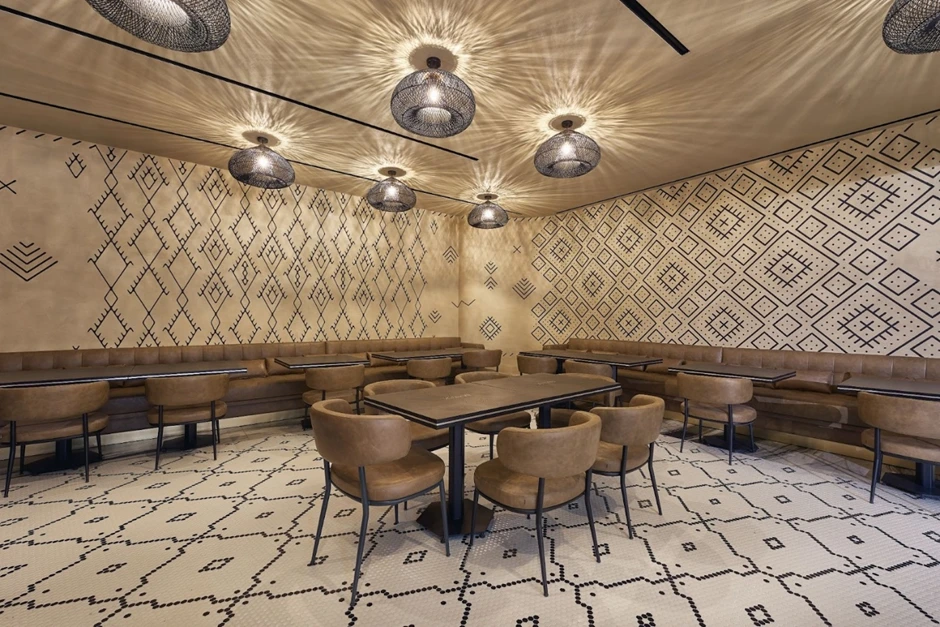
It reduces environmental impact, enhances operational efficiency, and aligns with modern guest expectations.
Luxury is defined by quality, comfort, and experience—not resource intensity. Sustainable materials and thoughtful design achieve elegance without excess.
Specialized designers understand the operational, regulatory, and guest-experience aspects of hospitality, delivering functional and aesthetically refined solutions.
Absolutely. Restaurant interior design with eco-conscious materials, efficient lighting, and optimized layouts improves both environmental impact and guest satisfaction.
Through careful material selection, energy-efficient systems, and design strategies that enhance beauty while reducing environmental footprint.
Thoughtful hospitality interior design transforms spaces into experiences. Sustainable luxury creates:
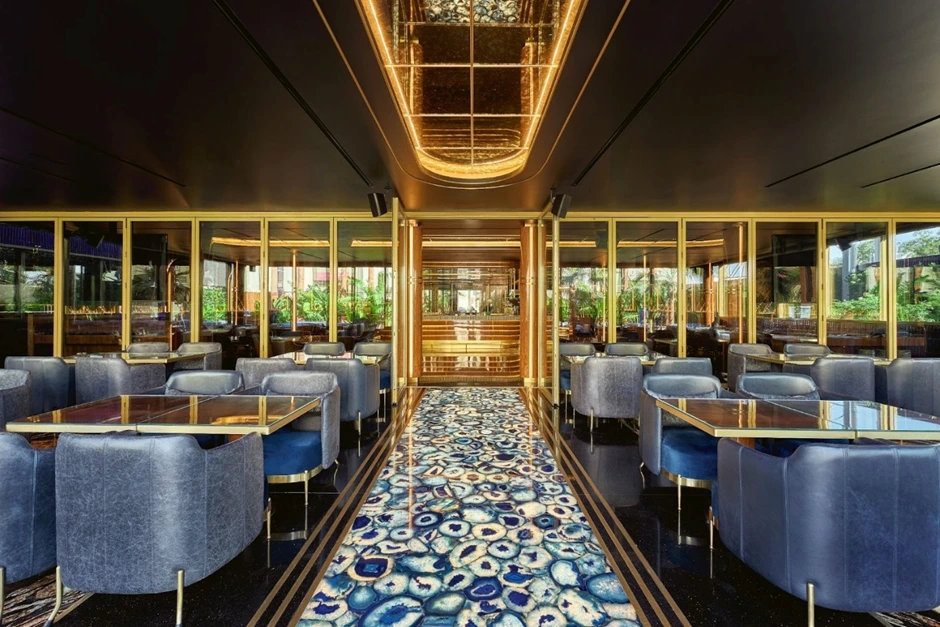
RAW Design, as a leading hospitality design firm, delivers interiors that reflect brand identity, provide operational excellence, and embrace sustainability without compromising luxury. From restaurant interior design to full-scale hotel projects, our holistic approach ensures every space achieves timeless elegance, functionality, and environmental responsibility.
Luxury and sustainability are no longer separate goals—they are complementary elements of modern hospitality interior design. By prioritizing eco-friendly materials, operational efficiency, and guest experience, RAW Design creates spaces that delight, inspire, and stand the test of time.


© All rights reserved Rawdesign.
Designed and developed by Tequila.ae


