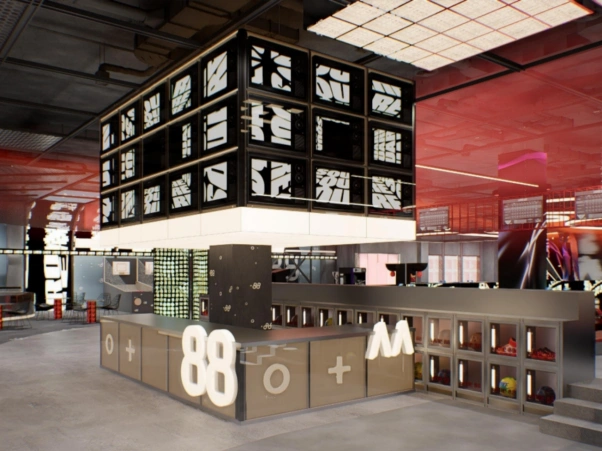
In today’s competitive retail landscape, the shopping experience extends far beyond products. The design of your store directly impacts how customers perceive your brand, interact with merchandise, and make purchasing decisions. Effective retail interior design is a strategic tool that can increase sales, enhance brand loyalty, and create memorable experiences for customers.
Whether you are opening a luxury boutique or redesigning a high-traffic retail shop, understanding the principles of retail shop interior design ensures your space is functional, appealing, and aligned with your business goals.
The layout and design of a retail space can significantly influence customer behavior. Thoughtful commercial retail interior design goes beyond aesthetics—it guides movement, encourages exploration, and highlights products.
Key strategies include:
By leveraging professional retail interior designers, businesses can ensure that every design choice contributes to revenue growth while enhancing the overall shopping experience.
Your retail space is an extension of your brand identity. A well-designed store communicates your values, quality, and personality at every touchpoint.
Luxury brands, in particular, benefit from luxury retail interior design that reinforces exclusivity and sophistication. Custom finishes, premium materials, and signature furniture help convey your brand story and leave a lasting impression on customers.
Aligning your store’s interior with your brand strategy creates consistency across marketing, digital presence, and in-store experiences, which in turn builds trust and encourages repeat visits.
The psychology of shopping is influenced heavily by the environment. Research shows that store design affects dwell time, spending habits, and customer satisfaction.
Elements that influence behaviour include:
Professional retail interior designers understand these principles and strategically design stores to maximize both customer engagement and sales potential.
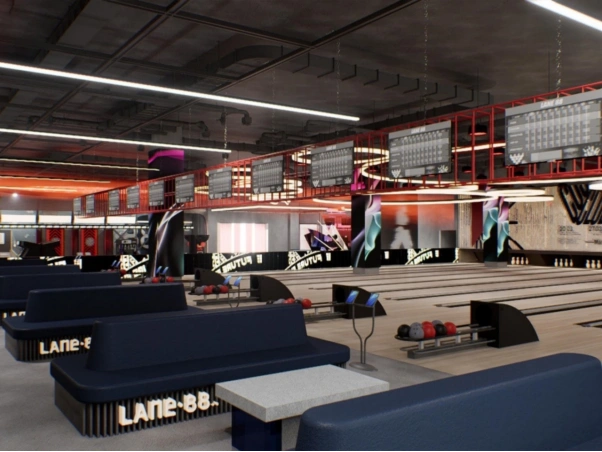
Creating a high-performing retail space requires adherence to fundamental design principles:
By integrating these principles, commercial retail interior design ensures that both staff and customers benefit from a streamlined, enjoyable environment.
The flow of your store is a critical factor in retail shop interior design. An effective layout guides customers naturally through your space while exposing them to key products.
Popular strategies include:
A skilled retail designer considers both traffic patterns and shopper psychology to optimize flow, creating a seamless and profitable experience.

Visual merchandising is at the heart of retail interior design. Well-placed focal points capture attention, highlight new or high-value products, and create a compelling shopping journey.
Tips include:
When executed effectively by professional retail interior designers, visual merchandising transforms the retail environment into a dynamic and persuasive sales tool.
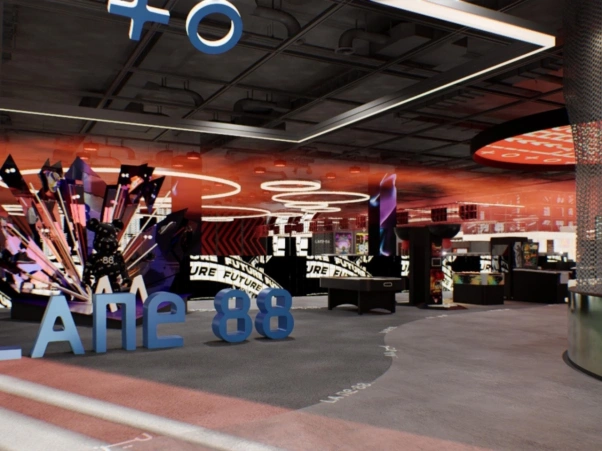
Selecting the right design partner is crucial. The best retail interior designers combine creativity, strategy, and technical expertise to create spaces that look stunning and perform commercially.
At RAW Design, we offer custom retail interior design solutions tailored to each client’s brand, target audience, and operational needs. Our team of professional retail interior designers delivers:
By partnering with experts, you ensure that your store is not only visually impressive but also strategically designed to boost sales and elevate your brand.
Smart retail interior design is a powerful tool for increasing sales, enhancing customer satisfaction, and building a strong brand presence. From layout planning and visual merchandising to luxury touches and flexible design solutions, a well-executed retail space can transform shopping into a memorable experience.
Working with professional retail interior designers ensures that every element—from concept to execution—is optimized for both style and performance. Whether you are creating a boutique or a large-scale commercial space, investing in retail shop interior design is an investment in long-term success.


© All rights reserved Rawdesign.
Designed and developed by Tequila.ae


