
The beauty industry thrives on experience. Clients do not just visit salons for services; they come for transformation, relaxation, and confidence. This is why salon interior design plays a critical role in shaping how clients feel the moment they walk through the door.
A well-designed salon combines aesthetics, comfort, and functionality. Whether it is hair salon interior design or a full-service beauty studio, thoughtful commercial interior design ensures that the space reflects brand personality while enhancing operational efficiency.
First impressions define client loyalty. A beautifully designed salon creates trust and communicates professionalism instantly.
Modern salon interior design is more than stylish furniture and mirrors. It integrates flow, lighting, acoustics, and comfort. Reception areas must feel welcoming, styling stations should allow ease of movement, and waiting zones must provide relaxation.
Comfortable salon interiors influence how long clients are willing to stay and how often they return. Ergonomic chairs, proper spacing between stations, and calming design elements reduce stress for both clients and staff.
A strategic approach to salon interior design also supports branding. Whether the concept is minimalist, luxury, or bohemian chic, consistency in color palette, materials, and lighting builds a memorable identity.
Neutral whites are gradually being replaced with warmer, richer tones. Deep terracotta, olive green, muted plum, and caramel shades are becoming dominant in modern salon interior design.
These colors create intimacy and elevate the overall experience. In hair salon interior design, warm tones enhance skin undertones, making clients feel confident during styling consultations.
Accent walls behind styling chairs or reception desks add depth without overwhelming the space. Balanced color layering, combined with professional salon lighting, ensures the environment remains flattering and functional.
The key is harmony. Rich tones should be complemented with softer neutrals to maintain elegance and avoid visual heaviness.
Instead of bold prints, designers are embracing texture to create visual interest. Fluted panels, ribbed glass partitions, and tactile wall finishes are trending in salon interior design.
Texture adds sophistication while maintaining subtlety. Fluted wood or stone reception desks create a statement without loud patterns. Upholstery in boucle or velvet enhances comfortable salon interiors while adding depth.
In commercial interior design, texture also improves acoustics. Soft materials absorb sound, reducing echo in busy salon environments.
When used strategically, layered textures elevate modern salon interior design into a luxurious yet understated experience.
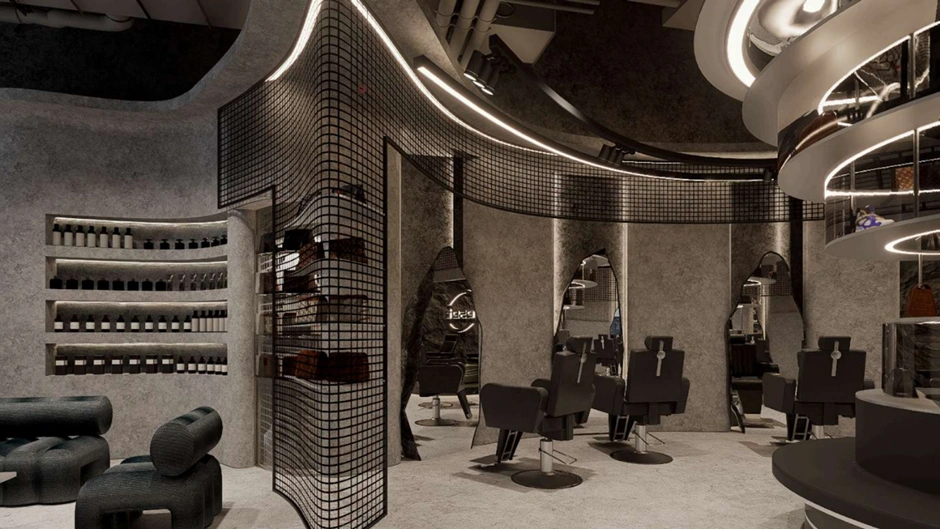
The reception area sets the tone for the entire salon. A mix of natural wood finishes, darker stains, and aged metallic accents creates warmth and character.
Hair salon interior design often benefits from layered wood tones paired with matte black or brushed brass fixtures. This blend adds visual richness without overpowering the space.
Quiet patina finishes, such as antique bronze or oxidized metal, introduce a sense of timelessness. These materials age beautifully and contribute to a refined aesthetic.
In commercial interior design, durability is essential. Surfaces must withstand daily wear while maintaining elegance. Selecting high-quality finishes ensures long-term visual appeal and functionality.
Sustainability is becoming a defining element in salon interior design. Eco-friendly materials, energy-efficient professional salon lighting, and water-saving fixtures are increasingly integrated into new concepts.
Gender-neutral spaces are also shaping modern salon interior design. Soft, inclusive color palettes and versatile furniture layouts create welcoming environments for diverse clientele.
Sustainable materials like reclaimed wood, recycled stone surfaces, and low-VOC paints enhance both environmental responsibility and indoor air quality.
In commercial interior design, sustainability extends beyond materials. It involves thoughtful planning, efficient layouts, and long-lasting construction methods that reduce waste over time.
Curved forms are redefining salon interior design. Rounded mirrors, arched partitions, and soft-edged furniture create a fluid, welcoming environment.
Mirrors play a central role in hair salon interior design. Oversized or uniquely shaped mirrors amplify light and visually expand compact spaces.
Integrated storage solutions maintain clean, clutter-free styling stations. Hidden cabinetry, built-in shelving, and under-counter storage keep tools organized while preserving aesthetic appeal.
Soft architectural transitions between zones — such as curved walls or partial partitions — enhance flow and create intimacy without isolating spaces.
Professional salon lighting combined with reflective surfaces ensures balanced illumination for accurate styling and photography-ready results.
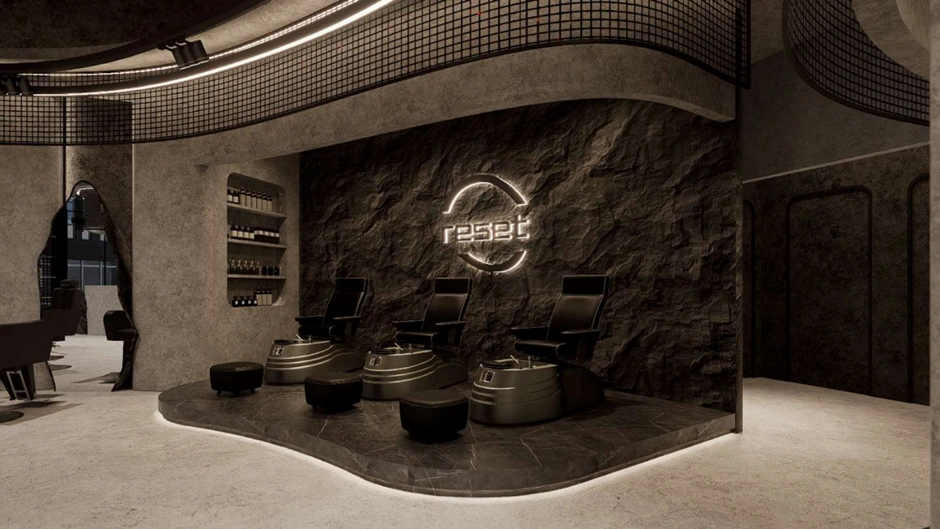
Functionality combined with aesthetics. Efficient layouts, professional salon lighting, and comfortable salon interiors are essential for both client satisfaction and staff productivity.
A visually appealing and relaxing environment builds emotional connection. Clients are more likely to return to spaces where they feel comfortable and valued.
Layered lighting is ideal. Task lighting at styling stations, ambient lighting for warmth, and accent lighting for design highlights create balanced illumination.
Initial costs may vary, but energy-efficient lighting and durable materials reduce long-term operational expenses.
Trendy salon interior design is about creating a space that feels inviting, innovative, and memorable. From richer color palettes to curved architectural elements and sustainable solutions, today’s modern salon interior design blends creativity with practicality.
Whether you are launching a boutique hair studio or redesigning a full-service beauty lounge, thoughtful commercial interior design transforms your salon into more than a service space — it becomes a destination where style and comfort meet seamlessly.


© All rights reserved Rawdesign.
Designed and developed by Tequila.ae


