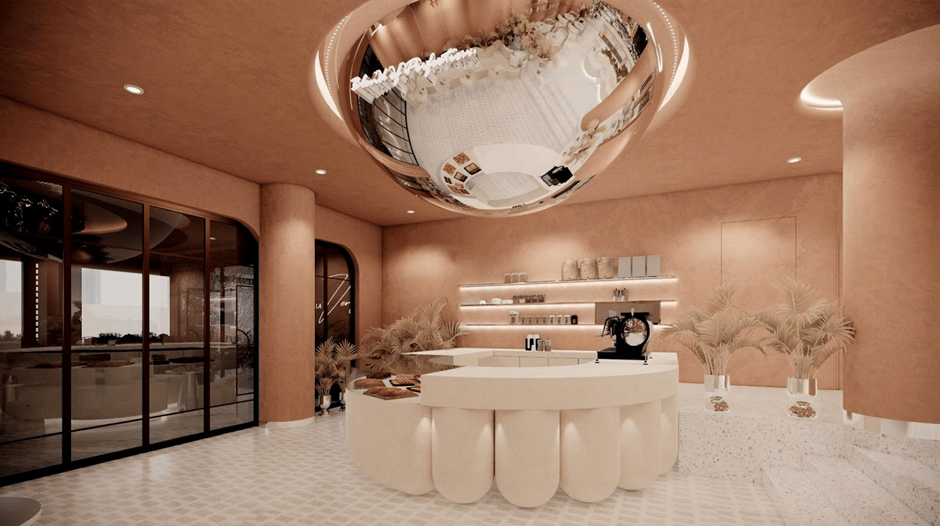
In the competitive world of dining, the experience extends far beyond the plate. Guests arrive seeking more than food—they are seeking an atmosphere that resonates, engages, and leaves a lasting impression. The rhythm of a restaurant’s interior plays a critical role in shaping that experience. From flow and layout to textures, lighting, and patterns, restaurant interior design creates a subconscious dialogue with every visitor, enhancing comfort, connection, and brand identity.
At RAW Design, our approach to modern restaurant interior design marries psychology, aesthetics, and functionality, ensuring each space becomes more than a dining venue—it becomes an experience.
Transcending trends, classic elements form the backbone of timeless restaurant design. Symmetry, balanced layouts, and high-quality materials anchor a space in comfort and familiarity. Think elegant wood panelling, plush seating, and refined colour palettes.
To keep it fresh, a modern twist is introduced through sleek furniture, contemporary lighting, and curated artwork. This juxtaposition of old and new not only elevates visual appeal but also creates a subtle rhythm that guides guests intuitively through the restaurant, supporting both fine dining restaurant design and casual luxury dining experiences.
Sustainability is no longer optional—it is an expectation. Modern diners are increasingly conscious of environmental impact, and thoughtful commercial interior design can reflect a brand’s commitment to sustainability without compromising aesthetics.
Incorporating eco-friendly materials, low-energy lighting, and sustainable finishes ensures a restaurant is both visually appealing and responsible. Examples include reclaimed wood, recycled metals, and water-efficient fixtures. At RAW Design, sustainable solutions are integrated seamlessly into our restaurant interior design projects, creating spaces that feel modern, conscious, and timeless.
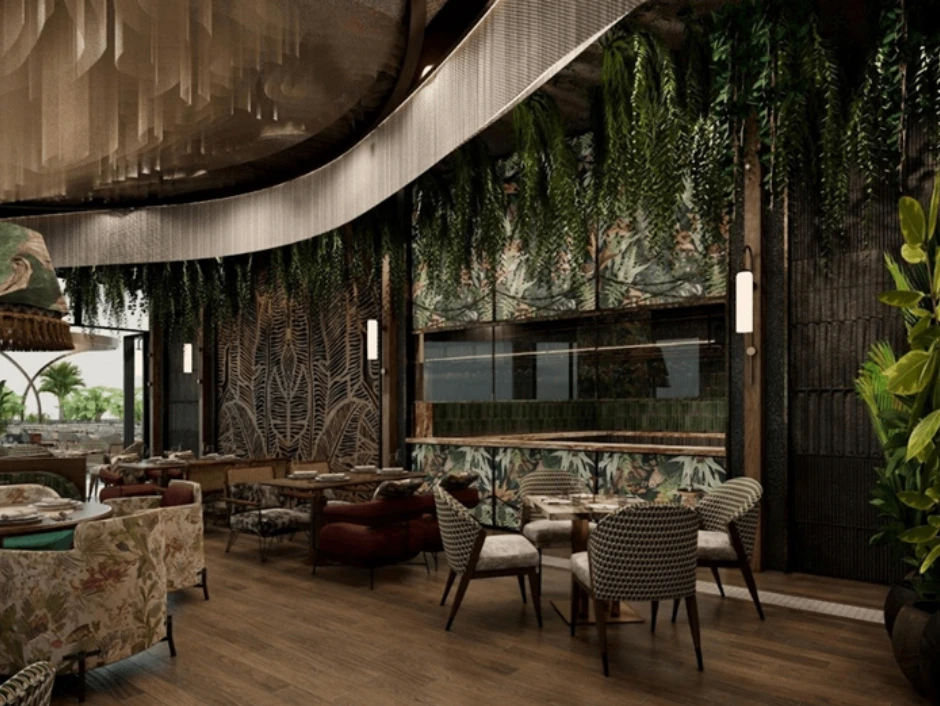
Technology can enhance the guest experience when integrated subtly. From ambient lighting controlled via smart systems to interactive menus and digital ordering kiosks, technology supports both functionality and comfort.
Textures, meanwhile, ground the sensory experience. Velvet upholstery, tactile wall finishes, and natural stone floors complement high-tech elements, creating a layered, harmonious environment. The interplay of technology and texture adds rhythm, making a restaurant feel intuitive, connected, and alive.
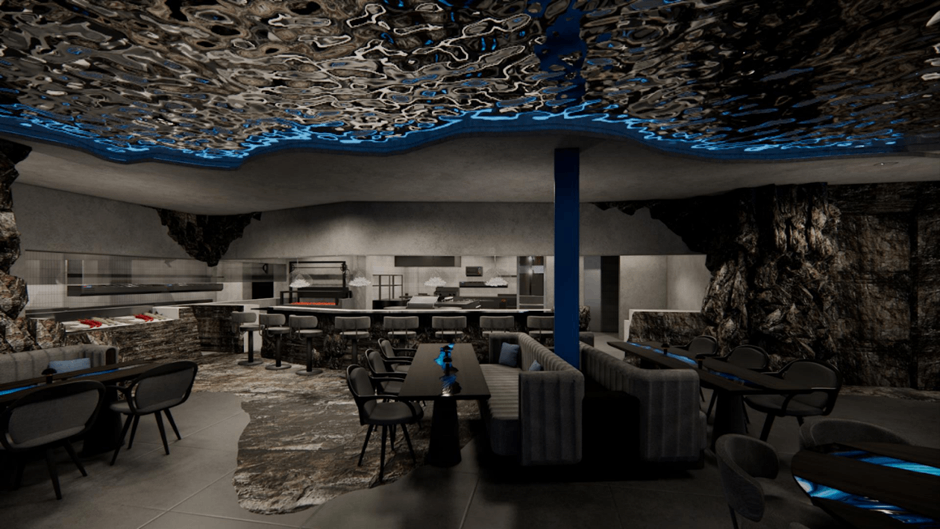
Modern diners crave comfort without sacrificing style. Industrial chic elements—exposed beams, polished concrete, and metal accents—can be softened with warm lighting, upholstered seating, and natural textures.
This combination ensures that the restaurant feels both contemporary and inviting. Spatial rhythm is key: arranging furniture to allow movement, positioning tables for privacy, and using lighting to guide focus creates a sense of flow that encourages relaxed dining while supporting operational efficiency—a hallmark of fine dining restaurant design.
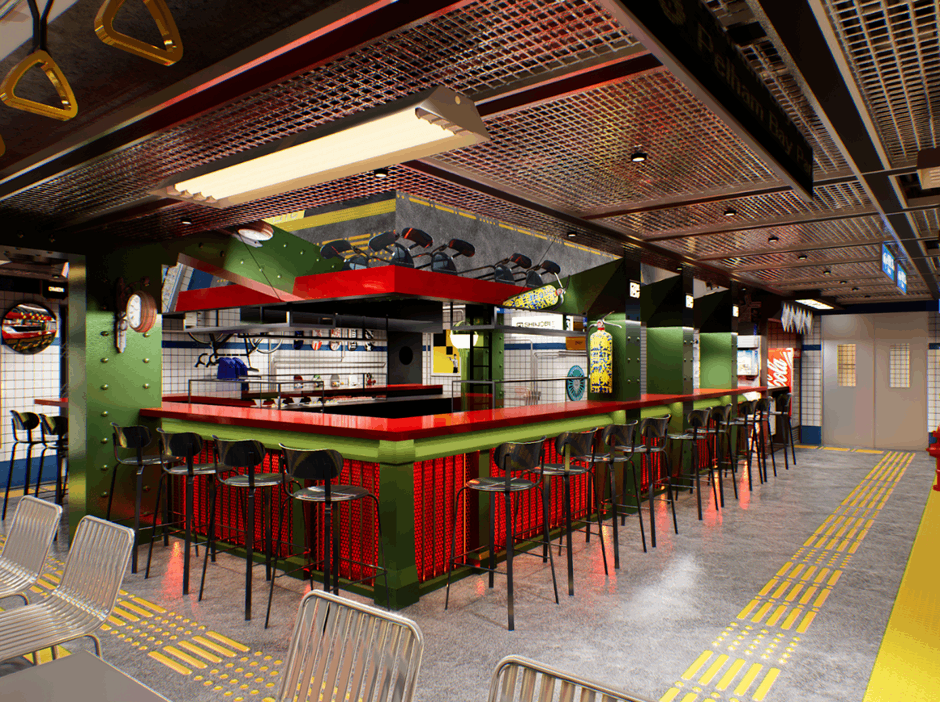
Rhythm in restaurant design is about more than repeating patterns—it is the choreography of the space. Strategic alignment of furniture, lighting, and decor directs guests naturally from entrance to table, creating a subconscious sense of order and comfort.
Elements of rhythm include:
When rhythm is thoughtfully applied, it enhances both commercial interior design and guest satisfaction, turning a meal into a curated journey.
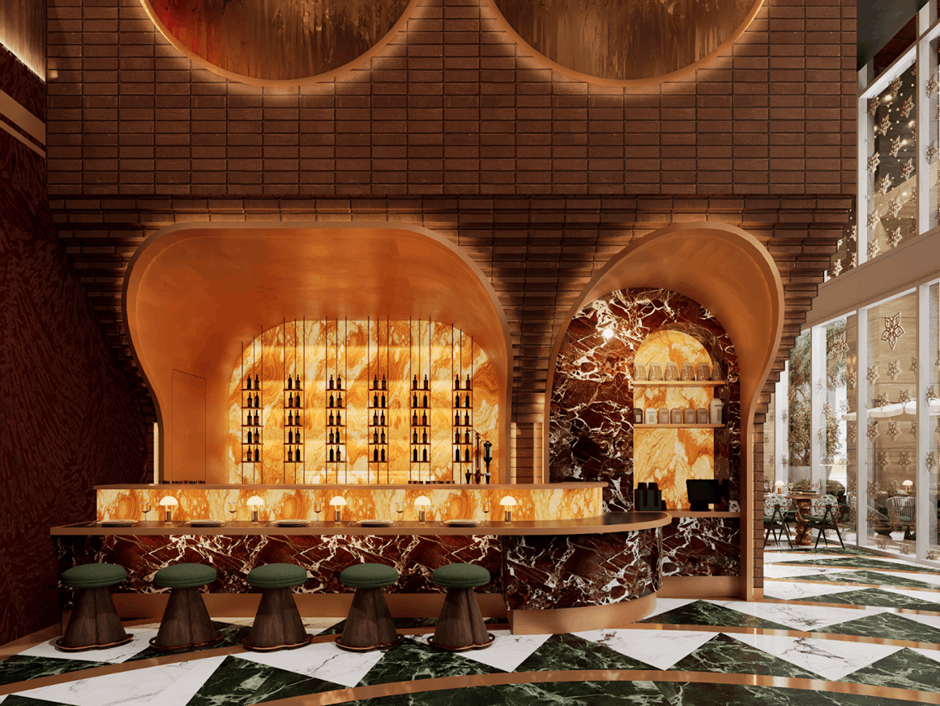
Patterns and textures communicate on a tactile and visual level. A patterned wall, geometric floor tile, or textured ceiling introduces movement without chaos. Combined with carefully chosen furniture and décor, these elements create layers of visual interest that feel dynamic yet cohesive.
In modern restaurant interior design, patterns and textures also serve functional purposes: distinguishing zones, defining pathways, and improving acoustics. The result is a holistic environment where every touchpoint reinforces comfort and connection.
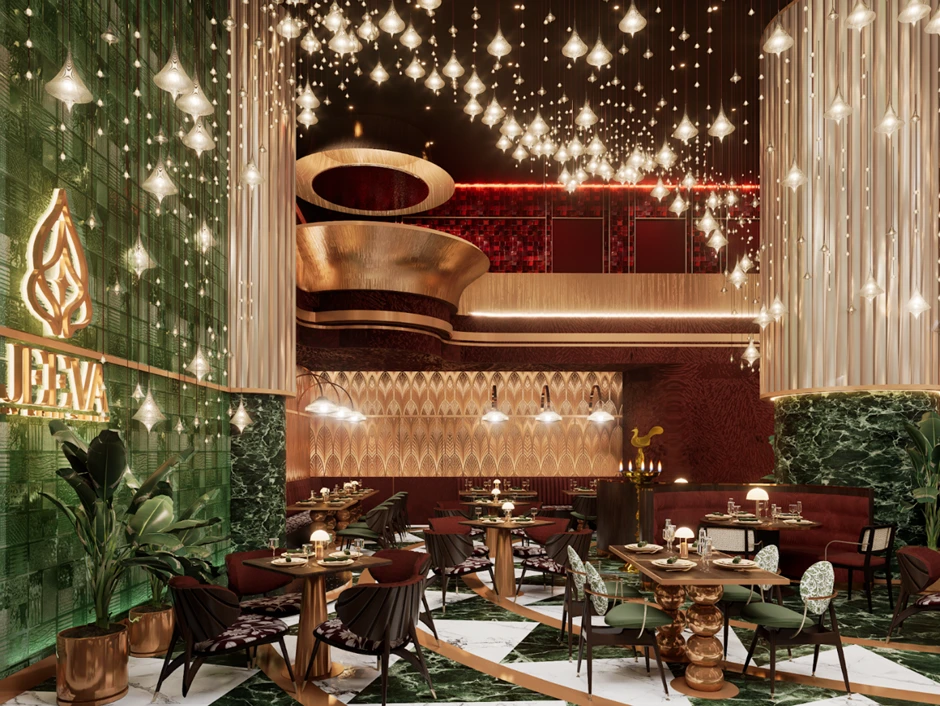
Functionality is as critical as aesthetics in restaurant interiors. A visually stunning space that hinders movement or complicates service undermines the dining experience.
Thoughtful restaurant interior design addresses:
By balancing beauty with practicality, a restaurant becomes both elegant and operationally seamless—a crucial factor for successful fine dining restaurant design.
Rhythm creates flow, guides guest movement, and establishes visual and spatial harmony, enhancing comfort and connection.
Absolutely. Smart systems can integrate seamlessly with classic materials and finishes to create a contemporary yet timeless feel.
Textures impact tactile comfort, visual warmth, and acoustic quality, contributing to overall guest satisfaction.
Eco-conscious materials, energy-efficient systems, and responsible sourcing enhance brand perception and operational efficiency.
A specialized restaurant interior design expert ensures aesthetics, functionality, and rhythm are perfectly balanced, creating memorable dining experiences.
The psychology of comfort and connection is at the heart of every successful restaurant. By understanding rhythm, integrating classic and modern elements, leveraging texture and technology, and designing with both beauty and function in mind, restaurants can create experiences that resonate long after the meal ends.
RAW Design, as a leading creative interior design firm, brings this philosophy to life through our restaurant interior design projects. From modern restaurant interior design concepts to intricate fine dining restaurant design, we craft spaces that inspire, engage, and elevate every guest experience.
A restaurant designed with rhythm is more than a space—it is a journey, a mood, and a memory waiting to be savored.


© All rights reserved Rawdesign.
Designed and developed by Tequila.ae


