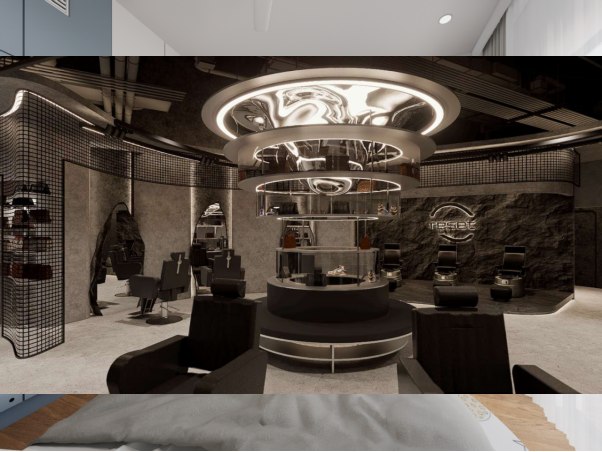
A hair salon is more than just a place for styling — it’s an experience. From the moment a client walks in, the space sets expectations about quality, comfort, and professionalism. Thoughtful salon interior design plays a crucial role in shaping how clients feel, how long they stay, and whether they return.
Whether you’re opening a new salon or refreshing an existing one, this simple guide breaks down the key elements of hair salon interior design to help you create a space that looks great, feels comfortable, and works efficiently.
An attractive salon interior is one that balances visual appeal with everyday functionality. Good design doesn’t overwhelm — it guides movement, enhances comfort, and supports your team’s workflow.
Key principles include:
Modern salon interior design focuses on simplicity, cohesion, and ease of maintenance — all essential for busy commercial environments.
Layout planning is the backbone of effective hair salon interior design. A poorly planned salon can feel chaotic, even if it looks stylish.
A clear and comfortable layout should:
Comfortable salon interiors prioritize both client experience and stylist efficiency. When circulation is smooth, the salon feels calmer and more professional.
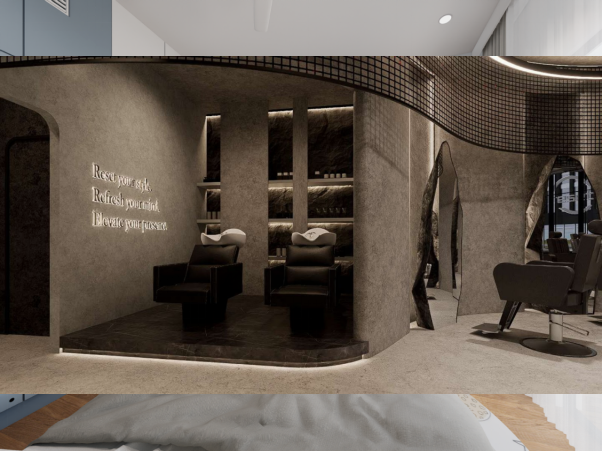
Color has a powerful impact on mood and perception. In modern salon interior design, color palettes are chosen carefully to reflect the salon’s personality.
Some general guidelines:
The right color scheme helps reinforce your brand identity while supporting a comfortable salon environment.
Lighting is one of the most critical elements in salon interior design. It affects not only ambiance but also the quality of services provided.
Effective salon lighting should include:
Professional salon lighting enhances precision while making clients look and feel their best — a key factor in overall satisfaction.
Natural elements help soften commercial interiors and make salons feel more welcoming. Incorporating nature into hair salon interior design can significantly improve comfort levels.
Ways to add natural touches include:
These elements help balance the technical nature of salon equipment, creating comfortable salon interiors that feel warm and inviting.
The reception area is the first impression clients have of your salon. A well-designed reception sets the tone for the entire experience.
An effective reception area should:
In commercial interior design, reception areas act as both functional and emotional anchors — they reassure clients that they are in the right place.
Very important. Salon interior design directly influences customer comfort, staff efficiency, and brand perception.
Clear layouts, comfortable seating, balanced lighting, and calming colors all contribute to comfortable salon interiors.
Yes. Clean lines, smart storage, and efficient layouts make modern designs ideal for compact salons.
Conclusion:
Great salon interior design is not about following trends — it’s about creating a space that supports your business, your team, and your clients. From layout and lighting to color and comfort, every design decision shapes the salon experience.
By applying thoughtful hair salon interior design principles and investing in professional planning, you create a space that feels welcoming, works efficiently, and reflects your brand’s identity.
At RAW Design, we approach salon projects with the same care as any commercial interior design, ensuring every space is practical, polished, and built for long-term success.


© All rights reserved Rawdesign.
Designed and developed by Tequila.ae


