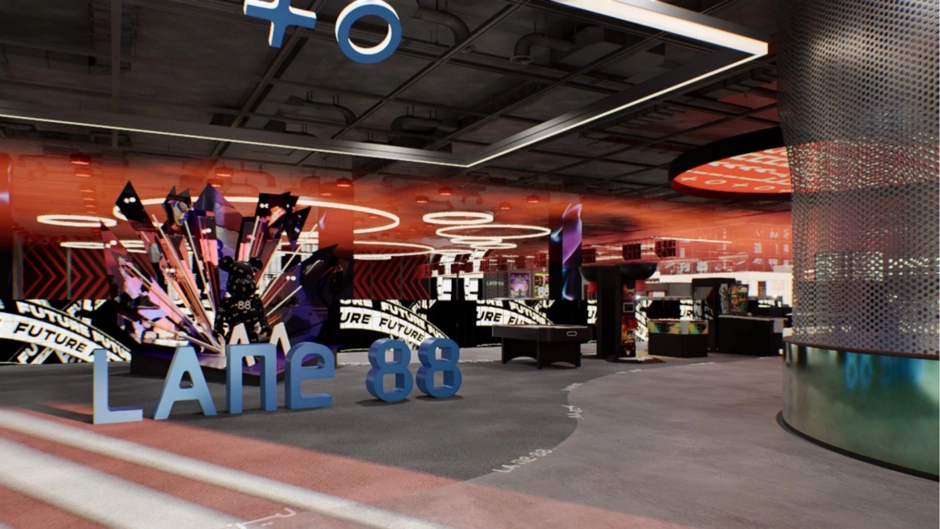
A shopper saves a product on their phone, visits the store to see its finish, then orders a different colour for delivery. Each step is part of the same purchase. For retail interior design in the UAE, the challenge is making those steps feel connected while giving shoppers a reason to come in.
When shoppers already know the price and have read the reviews, the store can answer what a product page leaves open. How does the jacket fit? What does the fragrance smell like on skin? Can someone explain the difference between two models? The layout should make trying, comparing and asking for help easy.
Phygital retail interior design brings digital tools into the physical shopping experience. A customer might scan a display to check sizes, use a fitting-room screen to request another item or collect an online order at a dedicated counter. Each feature needs a clear purpose and a place that suits how shoppers move.
Start with the task. If customers need to compare finishes, put the digital catalogue beside samples they can pick up. If they’re collecting orders, make the counter visible from the entrance and allow room for a queue. Plan power, data and access for maintenance during design development, while fixture locations can still change.
At RAW Design, we map how customers browse, try products, pay and collect orders. We also ask how staff replenish displays and where packaging goes during busy periods. Those decisions inform the layout, 3D visuals, fixture details and construction drawings. We use the design to work through how the store will trade on a busy day.
A fixture built around a fixed shelf height can limit what a team can display next season. Adjustable shelves, interchangeable signage and removable display inserts let one system serve several campaigns. For a pop-up, consider how the pieces will be transported, assembled and stored. Decide what should travel to the next location before detailing the first installation.
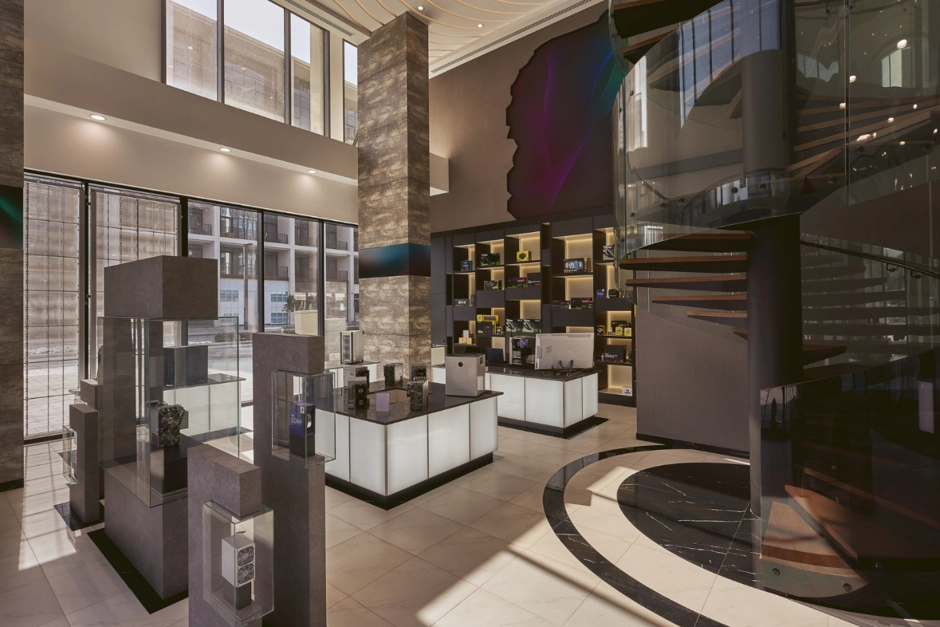
Lighting should help shoppers see the product clearly. In a beauty store, test colours at the mirror. In a fashion store, check how fabrics look in both the display and fitting room. Place screens where daylight and spotlights won’t wash them out. Choose finishes that feel right for the brand and can handle repeated cleaning and handling.
Request the landlord’s tenant design criteria before developing the concept. Shopfronts, signage and technical provisions can affect where displays or digital features go. Confirm who prepares drawings, submits them and responds to comments. Map landlord review and any applicable authority approvals into the programme, especially if the store has a fixed launch date.
Bring us your site plan, brand guidelines, product range and opening date. We’ll work through where digital tools can help shoppers and what the layout, fixtures and back-of-house space need to support.
Fees depend on the store size, design scope, custom fixtures and technical coordination. Ask for an itemised proposal that shows what’s included in the design fee and how fabrication, technology and fit-out are priced.
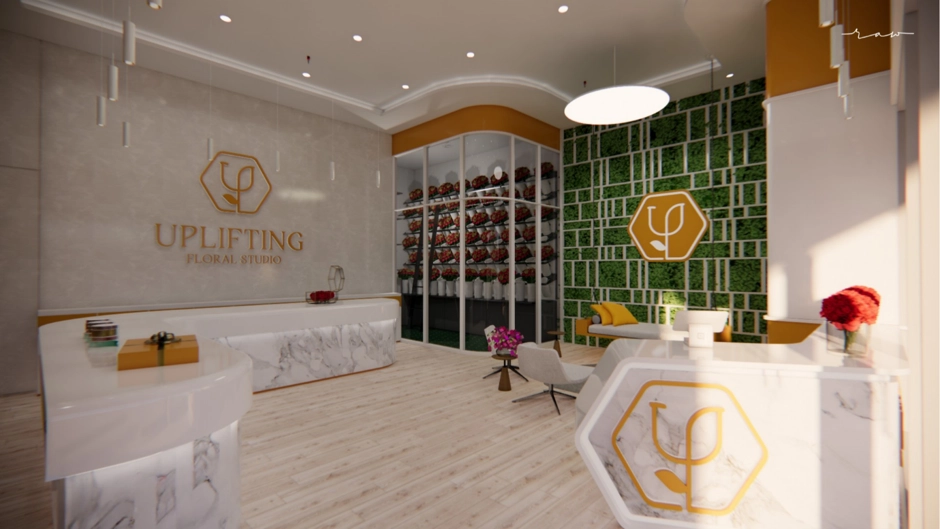
A clear layout can make it easier to find products, try them and complete a purchase. Compare conversion, fitting-room use and wait times before and after changes to understand how customers respond.
Review completed stores with a similar format and ask how the team handled customer flow, fixture detailing, landlord review and coordination with the fit-out contractor.
Retail projects must account for product display, browsing, trials and checkout alongside daily tasks such as replenishment and returns. The layout also needs to accommodate changing stock and campaigns.
Look for a team that can translate the brand into a small footprint and specify fixtures that are quick to install, easy to dismantle and practical to reuse.
The scope may include preparing drawings, coordinating submissions and responding to mall comments. Confirm who manages each step and which approvals the landlord or relevant authorities need to issue.
As shoppers move between browsing online and visiting in person, the store can do what a product page can only describe. It gives people somewhere to try things, ask questions and make a decision with confidence. Every digital touchpoint should make one of those steps easier.


© All rights reserved Rawdesign.
Designed and developed by Tequila.ae


