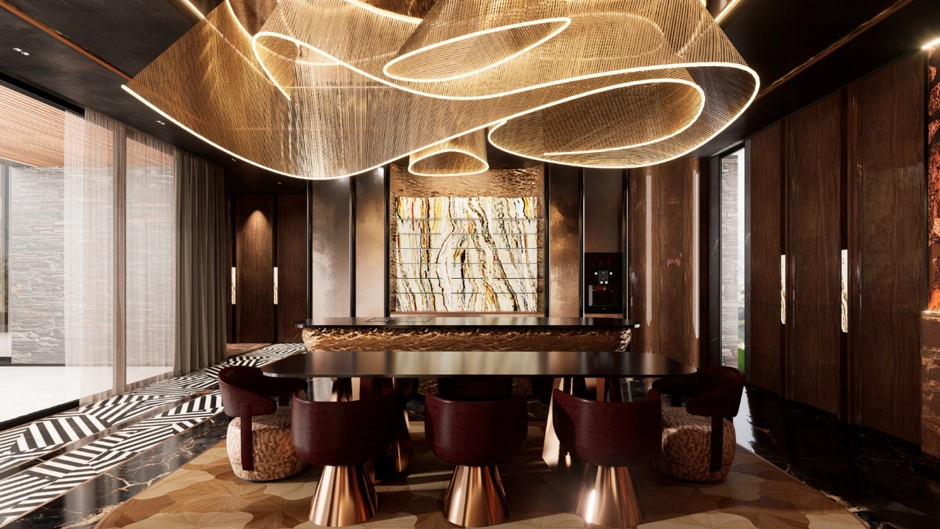
Late-afternoon light changes the colour of a plaster wall. A reading lamp falls exactly where you need it. The dining table has room for the whole family, with a place for the chairs you inherited. In luxury interior design, these are the details people live with every day. They’re also where a home begins to feel distinctly yours.
We judge how a home works on an ordinary Tuesday. Can you make coffee without waking the household? Does the living room work for two people as comfortably as it does for twelve? At RAW Design, those questions help us decide where to invest in the plan, the materials and the details you’ll touch most often.
Quiet luxury is an approach that gives proportion, texture and craftsmanship room to be noticed. Honed stone, a softly lit recess and a well-placed chair can give a room depth with very few elements. Colour belongs here, too. An olive velvet sofa or a deep blue joinery finish can carry a room when the surrounding materials give it space.
Minimalism uses reduction as a design principle. Quiet luxury puts the emphasis on how materials feel, how details are made and how a room is lived in. A quiet luxury interior can hold patterned rugs, family photographs and books collected over decades. Their arrangement gives each piece room to be seen, and the collection can grow with the household.
At RAW Design, we start by asking what you want to keep and what you want to change about the way you live. We translate that brief into layouts, material palettes and 3D visuals, then develop the joinery and construction details. We carry some finishes between rooms and use others to give a room its own character.
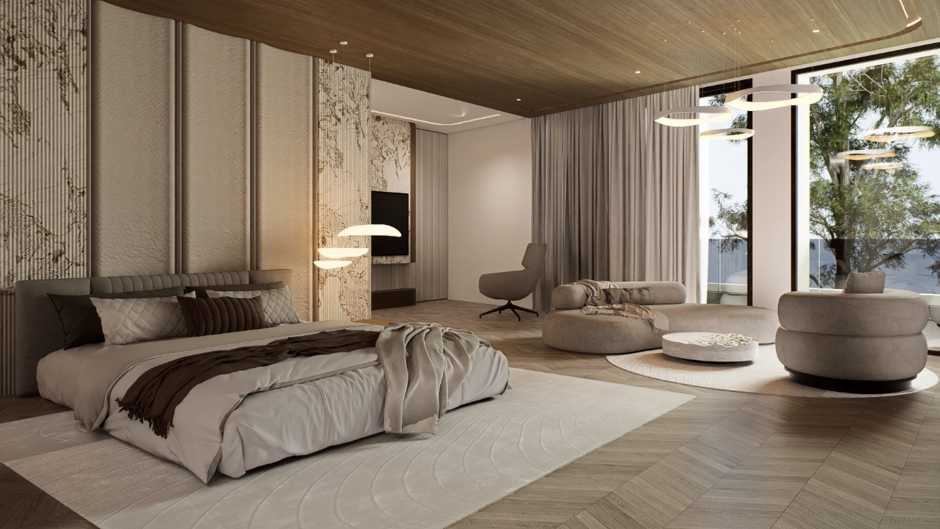
Look at samples in the room at different times of day. A wall light can bring out the texture in plaster. We also consider how finishes will age. A honed stone and a woven fabric may sit beautifully together, but their suitability depends on where they’re used and how much care they’ll need.
Tell us how you actually use your home. If weekends revolve around long lunches, the dining room may need more space when every chair is pulled out. If evenings are for reading, a comfortable chair needs a good lamp and somewhere to set a cup. These habits guide the layout.
A wall of cabinetry can conceal everyday clutter, house a collection and bring an awkward recess into use. Think about where your hand reaches for a pull, how the timber grain runs across doors and how the cabinet meets the skirting. Bespoke interior design earns its place when these decisions make the room easier to use.
Share your floor plan, a few pieces you want to keep and the rooms you use most. We’ll identify where custom work would make the greatest difference.
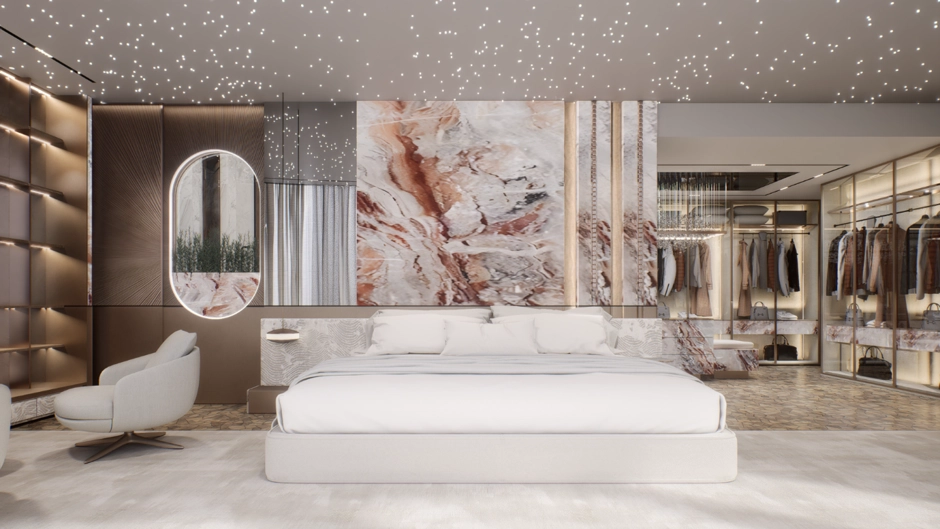
Minimalism centres on reduction. Quiet luxury can be layered, with art, pattern and personal objects alongside carefully detailed finishes.
They can include concept development, space planning, 3D visuals, lighting and material selection, bespoke joinery design, construction drawings and site coordination, depending on the scope.
A local team can assess how daylight and privacy affect the layout and coordinate finishes, lighting and joinery with the consultants and trades working on the villa.
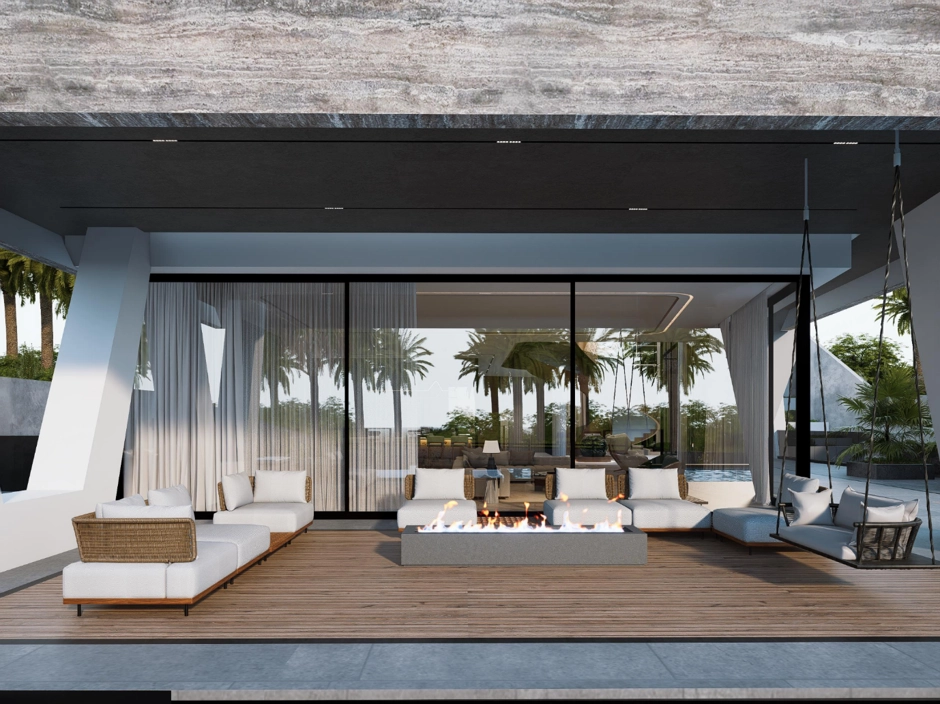
It can be when a tailored piece solves a daily frustration, such as a shallow alcove that needs storage or a family entry that needs somewhere for bags and shoes.
The terms overlap. High end interior design often describes the quality of materials and execution. Luxury interior design can also emphasise how closely the home is tailored to its occupants.
It starts with the things you live with. A painting might guide a room’s palette, or a collection might determine the depth and lighting of a cabinet.
A home feels more personal when there’s room for the things you’ll collect and the routines you’ll develop. Good design gives you that room from the start.


© All rights reserved Rawdesign.
Designed and developed by Tequila.ae


