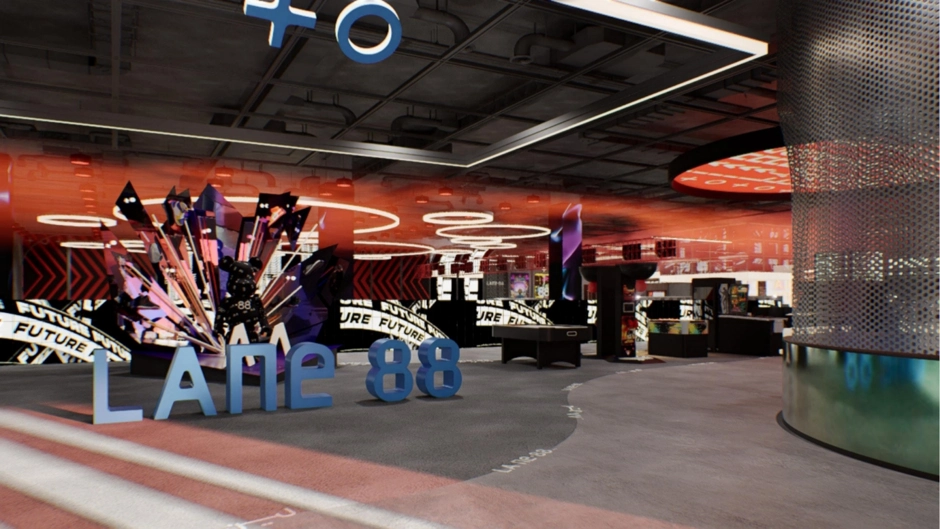
In today’s competitive retail landscape, a store is no longer simply a place where products are displayed and transactions take place. It is an experience. From the moment a customer enters, every element—from the layout and lighting to the materials and merchandising—can influence how long they stay, what they explore, and ultimately, what they purchase.
This is where strategic retail interior design plays a critical role. In a market as dynamic as Dubai, where consumers are exposed to some of the world’s most innovative retail environments, brands need spaces that capture attention and create meaningful experiences.
At RAW Design, we approach retail design as a combination of creativity, strategy, and commercial thinking. Our goal is to create environments that not only look exceptional but also encourage customers to explore, engage, and return.
The physical environment of a store can influence customer behavior in subtle but powerful ways. A well-designed retail space makes it easier for shoppers to navigate, discover products, and feel comfortable spending more time inside.
Effective retail interior design considers the entire customer journey—from the storefront and entrance to product displays, fitting rooms, checkout areas, and exit. Each touchpoint should have a clear purpose.
When customers can easily understand a space, find what they need, and enjoy the experience, they are more likely to stay longer and engage with products. Thoughtful design can also strengthen brand perception, helping a store feel more premium, distinctive, or aspirational.
An effective retail interior should balance three priorities: customer experience, brand identity and commercial performance. The layout should make navigation intuitive, displays should attract attention to priority products, and lighting and materials should reinforce the brand experience. At the same time, the space must support staff operations, stock movement and day-to-day retail requirements.
The layout of a retail store directly affects how customers move through it. Poor planning can create congestion, overlooked displays, and areas with little foot traffic.
Successful retail environments use zoning to create a logical journey. High-priority products can be positioned in prominent areas, while pathways guide customers naturally through different departments or collections.
Designers may also use changes in flooring, lighting, ceiling treatments, or display heights to visually define different zones without creating physical barriers.
For brands investing in retail interior design in UAE, flexibility is equally important. Modular displays and adaptable layouts allow stores to respond to seasonal collections, promotions, and changing customer behavior without requiring a complete redesign.
Visual merchandising and interior design should work together. A beautifully designed space is only effective when products are presented in ways that capture attention.
Feature displays can create focal points, while carefully positioned signage helps customers understand collections and promotions. Layered displays, storytelling zones, and lifestyle arrangements can encourage shoppers to imagine products within their own lives.
Interactive elements can also increase dwell time. Digital screens, product demonstrations, personalization stations, and immersive installations give customers more reasons to explore.
The most successful retail spaces balance discovery with clarity. Customers should feel inspired without becoming overwhelmed.
Lighting is one of the most powerful tools in commercial interior design solutions. It can direct attention, highlight products, define zones, and influence the overall mood of a store.
Ambient lighting creates a comfortable foundation, while accent lighting draws attention to key products or architectural features. The color temperature and intensity should also reflect the brand and merchandise.
Materials contribute equally to the customer experience. Natural stone, timber, metal, glass, textured fabrics, and innovative finishes can communicate everything from understated sophistication to bold contemporary energy.
Through bespoke interior design, these elements can be tailored to create a retail environment that feels unique to the brand rather than following a generic template.
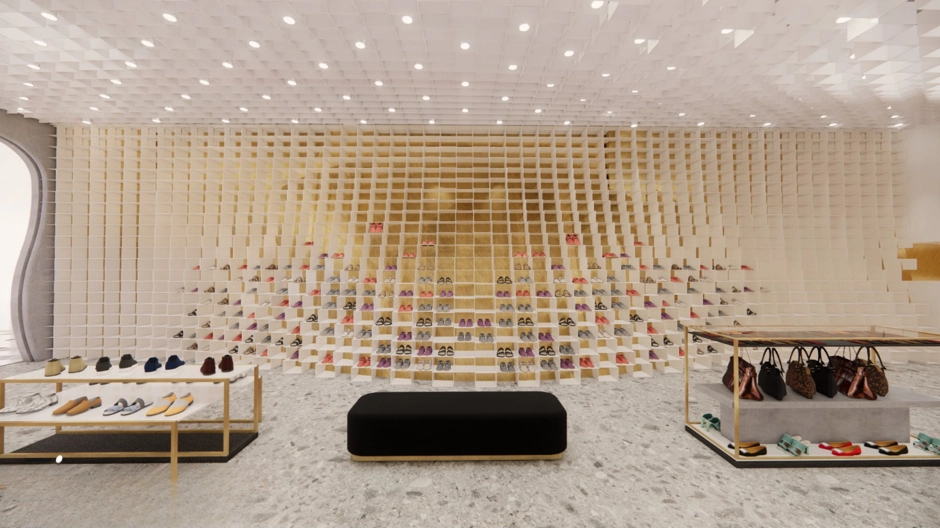
Every square meter should contribute to the customer experience. Effective space planning considers not only where customers shop but also how employees operate behind the scenes.
Storage, staff areas, stock movement, service counters, fitting rooms, and checkout zones should be strategically integrated without compromising the customer journey.
A well-planned store also considers accessibility, circulation, safety, and operational efficiency. This holistic approach is at the heart of successful interior design solutions in Dubai, where premium aesthetics must work alongside demanding commercial requirements.
Dubai’s retail landscape continues to evolve, with brands increasingly investing in experience-led environments.
Some of the key trends shaping retail interior design include:
The common thread is a shift toward creating stronger emotional connections between customers and brands.
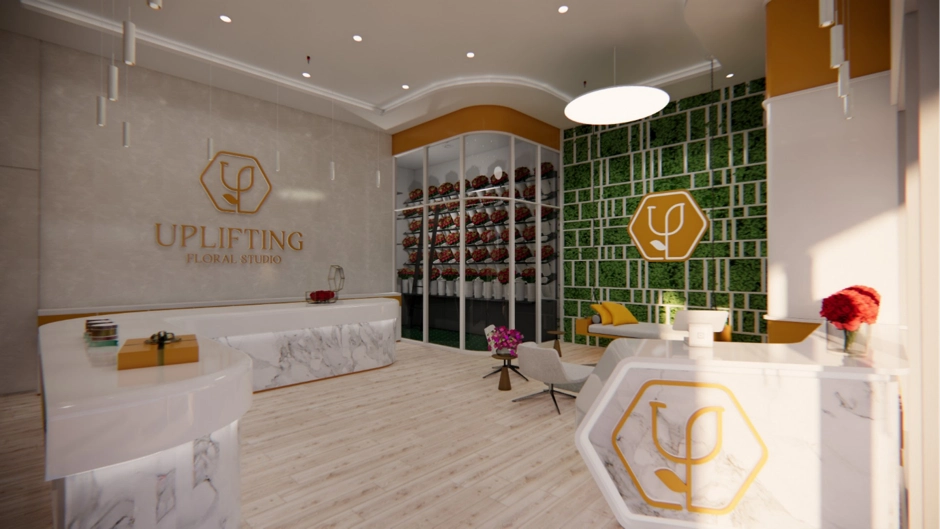
Even an attractive store can underperform if the design is not strategically planned. Common mistakes include overcrowded displays, poor lighting, confusing circulation, insufficient storage, and a lack of clear visual hierarchy.
Another frequent issue is designing solely around aesthetics without considering operational requirements. A beautiful store that is difficult for employees to manage can quickly become inefficient.
Ignoring the target customer is another major mistake. Every design decision—from materials and lighting to furniture and layout—should reflect the audience the brand wants to attract.
At RAW Design, we believe effective retail environments are where design and strategy meet. Our approach to retail interior design in UAE combines brand storytelling, customer psychology, spatial planning, and commercial performance.
The result is a space that does more than showcase products. It invites customers to stay, explore, connect, and ultimately choose to buy.
For brands looking to create a retail environment that stands out in Dubai’s competitive market, the right design strategy can transform every square meter into an opportunity for engagement and growth.
A retail brand should define its target customer, business objectives, product categories, store size, budget and operational requirements before starting the design process. These factors help the design team create a space that supports both the brand experience and business goals.
A retail designer can use strategic zoning, clear circulation paths, appropriate lighting, reflective or visually lightweight materials, and carefully planned displays to make a smaller store feel more spacious while maintaining product visibility.
The design should translate the brand’s personality into physical elements such as materials, colours, lighting, fixtures, signage, spatial language and customer touchpoints. This creates a consistent experience between the brand and its physical store.
The design should establish a consistent brand language while allowing individual locations to respond to their specific space, customer profile and operational requirements. Modular design elements can also make future rollouts more efficient.
Yes. Flexible fixtures, modular displays and adaptable zoning can allow retailers to change product presentations, promotional areas and customer journeys without undertaking a complete store redesign.
A successful retail design considers both sides from the beginning. Customer-facing areas, staff circulation, storage, stock movement, service areas and checkout operations should be planned together so that the store remains visually engaging without becoming difficult to operate.
For brands looking to create a retail environment that stands out in Dubai’s competitive market, RAW Design combines creativity, spatial planning and commercial thinking to create spaces that encourage customers to explore, engage and connect with the brand.
Explore our interior design services, discover our project portfolio, or get in touch with our team to discuss your retail design requirements.


© All rights reserved Rawdesign.
Designed and developed by Tequila.ae


