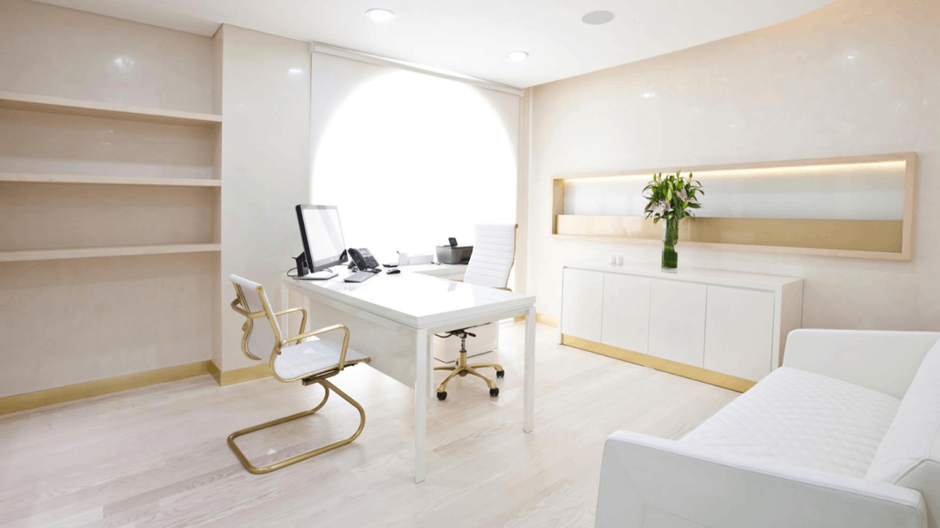
In today’s world, healthcare spaces are no longer just functional environments—they are places of comfort, recovery, and emotional well-being. Whether it is a hospital, dental clinic, or wellness center, the way a space looks and feels has a profound impact on patient experience, staff efficiency, and even recovery rates.
As a leading design firm in the UAE, RAW Design understands that healthcare interior design requires a unique balance of aesthetics, functionality, and psychology. The right design doesn’t just meet medical standards—it creates an environment that promotes healing, safety, and calm.
Designing a healthcare space is about merging practicality with compassion. Here are key elements every healthcare facility should consider:
Partnering with a healthcare interior architecture firm ensures these functional details are seamlessly integrated into a cohesive design vision.
It is not just tradition—white interiors in hospitals serve a purpose. White reflects cleanliness, purity, and sterility. It helps staff identify spills or contamination easily and psychologically communicates a sense of hygiene to patients.
However, the modern approach to hospital interior design solutions goes beyond plain white. Designers are now incorporating subtle color palettes—soft blues, muted greens, and warm neutrals—to create a more welcoming atmosphere. These tones evoke calmness and optimism without compromising on cleanliness or professionalism.
RAW Design often blends neutral bases with natural textures or biophilic elements, ensuring the environment feels clinical yet comforting.
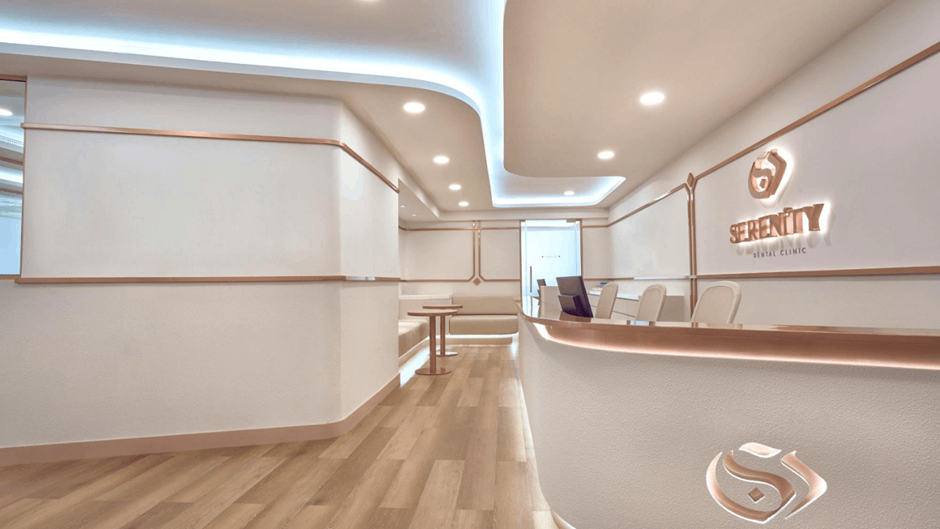
The waiting room is the first impression a patient gets of your facility—and it can influence their overall perception of care quality.
Here is how smart healthcare interior design can enhance that experience:
Designing spaces that put patients at ease helps improve satisfaction rates and makes a lasting impression.
Hiring a professional interior design company for your healthcare project goes beyond aesthetics—it is about strategy and compliance. Here is why it matters:
At RAW Design, we approach every healthcare project with empathy and precision—ensuring spaces are not only compliant but emotionally intelligent.
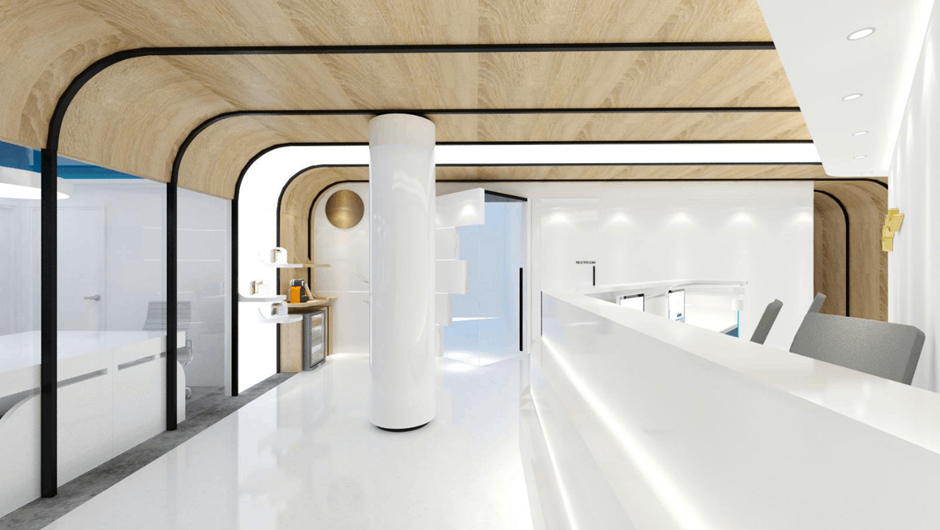
A balance of hygiene, comfort, and functionality. Every element—from materials to lighting—should serve both clinical and emotional needs.
Absolutely. Even compact clinics can use layout optimization and color psychology to appear larger, more efficient, and inviting.
Timelines vary depending on size and complexity, but an experienced hospital interior design solutions team ensures that planning, approvals, and execution run smoothly.
In healthcare, design directly impacts well-being. A sterile but uninspired space can feel intimidating, while a thoughtfully designed environment reassures patients and empowers caregivers.
Partnering with a healthcare interior design expert like RAW Design ensures every detail—from patient rooms to public spaces—is designed with purpose, empathy, and precision.
As a trusted commercial interior design firm in the UAE, RAW Design continues to redefine how healthcare environments look and feel—where comfort, innovation, and healing come together in perfect balance.


© All rights reserved Rawdesign.
Designed and developed by Tequila.ae


