
The modern workplace is evolving rapidly, and in 2026, agility is the defining factor of success. Businesses are no longer measured by office size but by how intelligently space is utilized. Whether it is a startup hub or a boutique consultancy, creative office interior design solutions are reshaping compact workspaces into powerful productivity engines.
Small offices, when designed strategically, can rival larger corporate environments in efficiency, culture, and visual impact. The key lies in combining innovation, flexibility, and functionality into every square meter.
Compact offices are not limitations — they are opportunities. The shift toward hybrid work models and leaner teams has increased demand for modern office interior solutions that maximize performance without excess.
In 2026, successful small office design is guided by four key principles:
When executed thoughtfully, these principles transform limited areas into inspiring work environments. Leading commercial office interior designers now prioritize efficiency-driven concepts over traditional layouts.
In compact spaces, every meter matters. Efficient Office interior design solutions focus on eliminating wasted areas while maintaining comfort and accessibility.
Wall-mounted storage, floating shelves, and tall cabinetry maximize vertical space without crowding the floor.
Multi-Functional Furniture
Foldable desks, modular seating, and built-in storage units support flexible office interior layouts while maintaining aesthetic simplicity.
Minimalist Design Approach
Clutter-free environments enhance focus and make small offices appear larger.
Smart spatial planning ensures that even a 500-square-foot office feels open and organized. Modern office interior solutionsnow emphasize streamlined layouts, integrated storage, and concealed wiring to maintain visual clarity.
The workplace in 2026 supports multiple work styles — focused tasks, collaborative brainstorming, virtual meetings, and casual discussions. Innovative workplace interior design recognizes the need for zoning even within limited footprints.
Quiet Focus Zones
Compact acoustic pods or sound-absorbing partitions create distraction-free areas for concentrated work.
Collaborative Areas
Small meeting tables, soft seating clusters, or writable walls encourage idea-sharing without requiring large conference rooms.
Hybrid Meeting Corners
Equipping spaces with video conferencing tools ensures seamless remote collaboration.
Flexible office interior layouts allow teams to reconfigure areas quickly based on changing needs. Instead of rigid desk arrangements, modular planning defines modern office interior solutions in 2026.
No two businesses operate the same way — and their office design should reflect that. Creative office interior design solutions must align with company culture, workflow, and brand identity.
A creative agency may require open studio-style layouts with mood boards and collaborative tables. A consulting firm might prioritize private meeting rooms and refined finishes. Tech startups often prefer open-plan environments with adaptable seating and breakout spaces.
Commercial office interior designers now focus on custom solutions rather than generic templates. Tailored layouts, color schemes aligned with brand identity, and purpose-driven design elements create environments that inspire teams and impress clients alike.
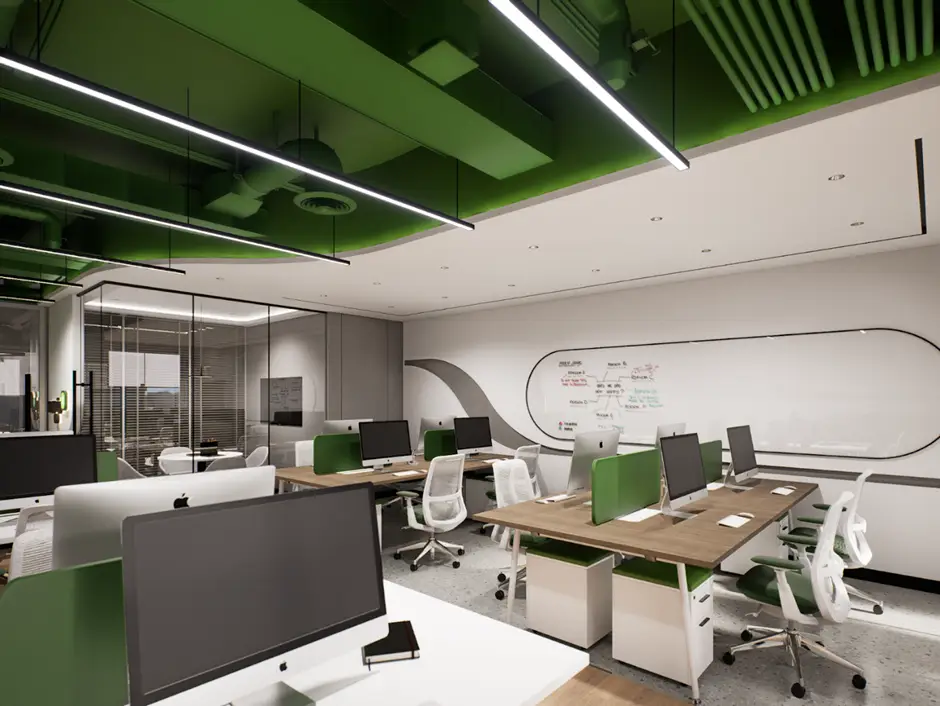
Creativity thrives in shared spaces. Even small offices benefit from dedicated collaborative corners that encourage spontaneous interaction.
Breakout Lounges
Comfortable seating areas spark informal discussions and team bonding.
Idea Walls & Writable Surfaces
Whiteboards or glass partitions allow brainstorming sessions to flow naturally.
Flexible Studio Layouts
Movable furniture and adaptable lighting setups support workshops, presentations, and creative sessions.
Innovative workplace interior design in 2026 emphasizes openness balanced with structure. By integrating collaborative zones within compact spaces, businesses foster innovation without expanding square footage.
Affordable Yet Stylish Solutions
High impact does not always mean high cost. Creative office interior design solutions can be both stylish and budget-conscious when approached strategically.
Smart Material Selection
Durable yet cost-effective materials maintain a premium look without inflating budgets.
Phased Implementation
Businesses can prioritize core zones first and upgrade additional areas gradually.
Energy-Efficient Systems
LED lighting and optimized HVAC systems reduce long-term operational expenses.
Modern office interior solutions prioritize sustainability and practicality, ensuring design investments deliver long-term value.
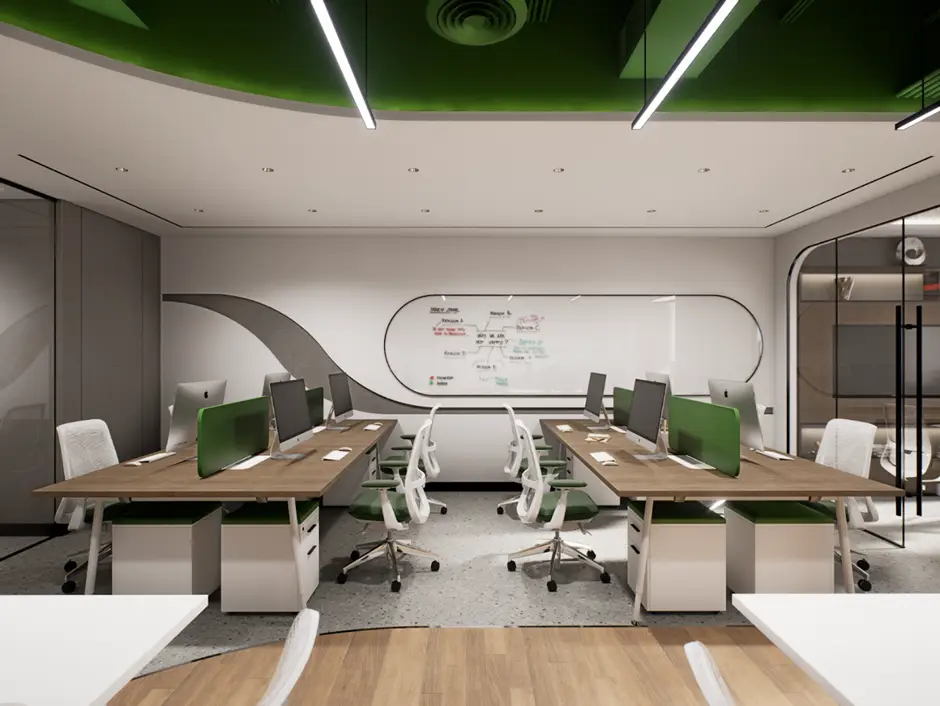
Through smart zoning, vertical storage, natural lighting, and minimalistic design elements that enhance openness.
2. Are flexible office interior layouts suitable for all industries?
Yes. Flexibility supports evolving team structures and hybrid work models across sectors.
3. How long does a small office redesign take?
Depending on scope, projects typically range from 6 to 12 weeks.
In 2026, office design success is not defined by size but by strategy. By focusing on smart space utilization, flexible zoning, tailored branding, and collaborative integration, businesses can transform compact areas into high-performing workplaces.
Creative office interior design solutions empower small offices to operate efficiently, inspire teams, and reflect brand identity with confidence. Through innovative workplace interior design and adaptable planning, even the smallest workspace can become a dynamic hub of productivity and creativity.


© All rights reserved Rawdesign.
Designed and developed by Tequila.ae


